Two different ways to pay
Tmoney stores a balance and deducts the applicable fare as you travel. Buying the card and adding travel credit are separate transactions. The Climate Card short-term pass buys unlimited rides only within its published coverage and validity; it is not a nationwide rail ticket or an attraction pass.
Start with an actual list of journeys: airport to hotel, each sightseeing cluster, and any trip outside Seoul. A card that is excellent for one set of journeys can be a poor choice for another. Keep this comparison separate from WOWPASS or other payment-card packages: a shopping balance and transport entitlement are not automatically interchangeable.
Short-term pass prices and the extra card fee
The following are adult general-pass prices. Seoul's published short-term prices are KRW 5,000 for one day, 8,000 for two, 10,000 for three, 15,000 for five, and 20,000 for seven. A new physical card adds KRW 3,000. Reusing a compatible card changes that calculation.
Short passes start on the charging date; a one-day pass lasts to that day’s last service, not a rolling 24 hours, and cannot be loaded ahead for another start date. Prepaid 30-day recharging ended on August 31, 2026, with long-term operation ended from October 1. Short passes continue. Do not treat resident-oriented K-Pass or Climate Pass benefits as automatically available to a short-stay visitor.
| Adult general short pass | Pass fee (KRW) | With new physical card (KRW) |
|---|---|---|
| 1 day | 5,000 | 8,000 |
| 2 days | 8,000 | 11,000 |
| 3 days | 10,000 | 13,000 |
| 5 days | 15,000 | 18,000 |
| 7 days | 20,000 | 23,000 |
Coverage matters more than the pass name
Seoul’s Korean guidance effective October 1, 2026 lists Seoul-area subway service and Seoul-licensed city and town buses. Those licensed buses may be boarded outside Seoul, but Sinbundang, GTX, intercity/airport buses and buses licensed elsewhere are excluded. Short passes exclude Ttareungi and Hangang Bus. Do not use the older English page’s expanded regional station list as current coverage.
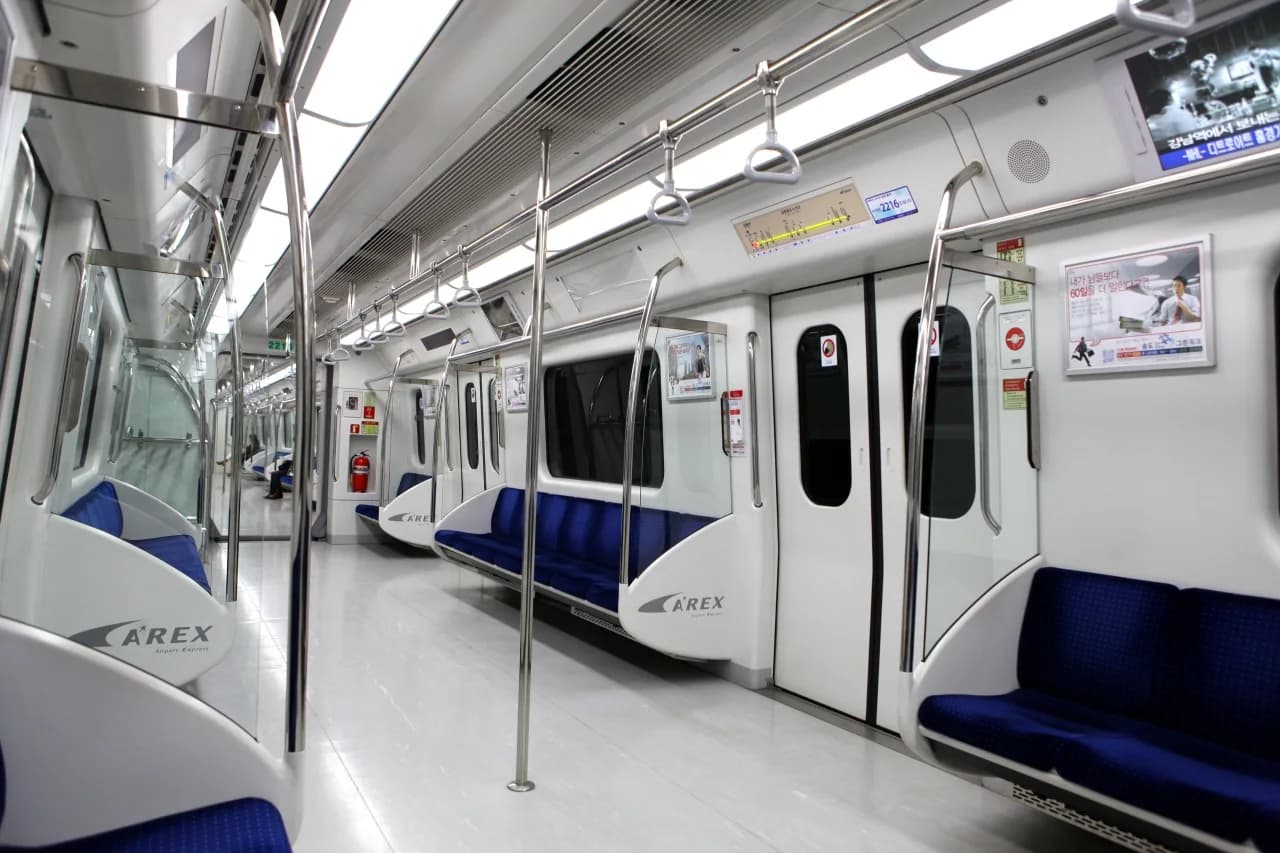
Check both boarding and exit stations in the current official lookup. Boarding inside the range does not cover an outside exit and may incur a separate fare for the whole journey. An All-stop AREX exit exception allows Incheon Airport T1/T2 after boarding in range, but not boarding at those airport stations or using the Express. Budget airport arrival separately; check Gimpo and regional stations individually rather than assuming older coverage.
A transparent break-even example
Use this formula: pass cost + new card if needed + excluded fares, versus the pay-as-you-go fares for the same journeys. Seoul's adult subway base card fare is KRW 1,550; longer or special-network journeys can cost more.
Example, not a fare promise: if you already own Tmoney and plan nine separate eligible base-fare subway journeys over three days, 9 × 1,550 = KRW 13,950. A three-day pass plus a new physical card is KRW 13,000, saving only KRW 950 in that simplified example. Six such journeys cost KRW 9,300, so the same new pass would cost more. Transfers are not necessarily separate full fares. Calculate your real route before buying.
| Assumed three-day plan | Existing Tmoney, base fares | Versus new three-day pass |
|---|---|---|
| 6 separate rides | 6 × 1,550 = KRW 9,300 | Tmoney KRW 3,700 lower |
| 9 separate rides | 9 × 1,550 = KRW 13,950 | Pass KRW 950 lower |
| Outside-range travel | Add actual separate fares | Add exclusions to the pass too |
Buy, load and keep a fallback
Tmoney is sold through participating convenience stores; the card's design and seller can affect its purchase price. Start with a modest balance and add more as needed instead of tying up your whole transport budget. Carry a way to pay for loading and do not assume every foreign bank card works at every machine.
For Climate Card, choose the physical short-term product unless you have verified that the mobile version works with your device and payment setup. Seoul's current page allows international-card purchases for short passes, but availability is machine-specific; check the payment logos and retain a cash fallback. Confirm the start/end dates and successful loading on the screen before leaving.
Use the card correctly and avoid a refund problem
For the simplest visitor setup, use one card per person. Tap when boarding and when leaving; keep the same card for the whole journey. Check eligibility and registration requirements separately for a child's discounted card instead of assuming a child's fare is automatic.
Keep Tmoney balances modest near departure and check the refund outlet and amount rules. Physical Climate Cards must be registered for refunds, and the refund process must be started within validity. The city lists a deduction for actual transport used plus a KRW 500 fee, with a Tmoney-headquarters cash-refund route for foreigners without a Korean bank account. Do not assume an effortless full refund. Ask station staff about gate errors.
The right outcome may be both cards: a short pass for intensive Seoul days and a modest Tmoney balance for other eligible journeys. That is useful only if the saving outweighs the extra card and the need to manage two products.
Before your first ride, distinguish the card’s purchase price, loaded balance or pass fee, and coverage. Keep the top-up receipt until the card works. If a route includes an excluded service, budget for a separate ticket or another card instead of discovering the gap at a transfer gate. When a group shares a plan, each person should know which payment medium they are using and where it is valid. The itinerary, not the card’s name, determines the useful comparison.
- Check boarding/exit stations and bus licensing.
- Use October 2026 coverage, not the old expanded list.
- Separate airport arrival from the airport exit exception.
- Check charging-date activation and expiry.
- Include card cost, excluded fares and transfers.
- Prepare individual cards, eligibility and fallback payment.
- Check refund registration, time, fee and location.
Optional Gimpo SIM and Tmoney pickup
The linked GetYourGuide bundle is a traveler SIM and rechargeable Tmoney card collected at Gimpo Airport. It is not a Climate Card or unlimited city-transport pass: the transport balance needs a separate top-up. Consider it only if Gimpo pickup and a physical data SIM suit your arrival; it is not an Incheon pickup or a compulsory extra card for someone who already has one.
Before booking, check the phone’s unlocked status and physical-SIM support, data duration, selected pickup point and counter hours, required documents and delayed-flight arrangements. The checked listing offers free cancellation up to 24 hours before starting, subject to the final option terms. Its starting price does not confirm inventory or your final total. Buying just a transport card locally is a separate alternative.
Sources & verification
Prepared by Gollaba using the sources below. Planning suggestions are editorial judgments, not claims of a personal visit.
- Korea Tourism Organization — Tmoney purchase and registration ↗Source checked:
- Seoul Metropolitan Government — Short-pass fees and international cards ↗Source checked:
- Seoul Metropolitan Government — Subway fares ↗Source checked:
- Seoul Metropolitan Government — Integrated transfer rules ↗Source checked:
- Seoul Metropolitan Government — Registration and refund procedure ↗Source checked:
- Seoul Metropolitan Government — Boarding and exit station lookup ↗Source checked:
- GetYourGuide — Gimpo SIM and rechargeable Tmoney bundle ↗Source checked: