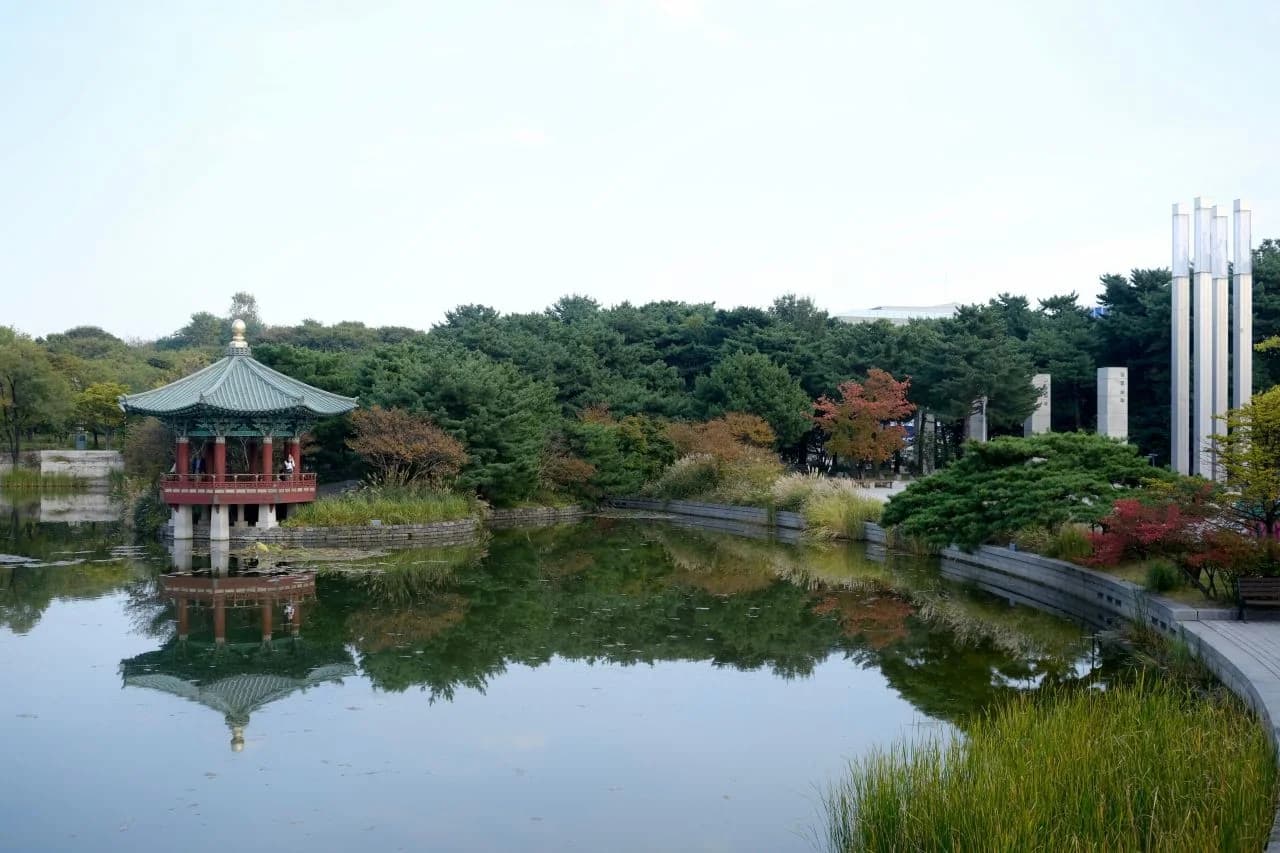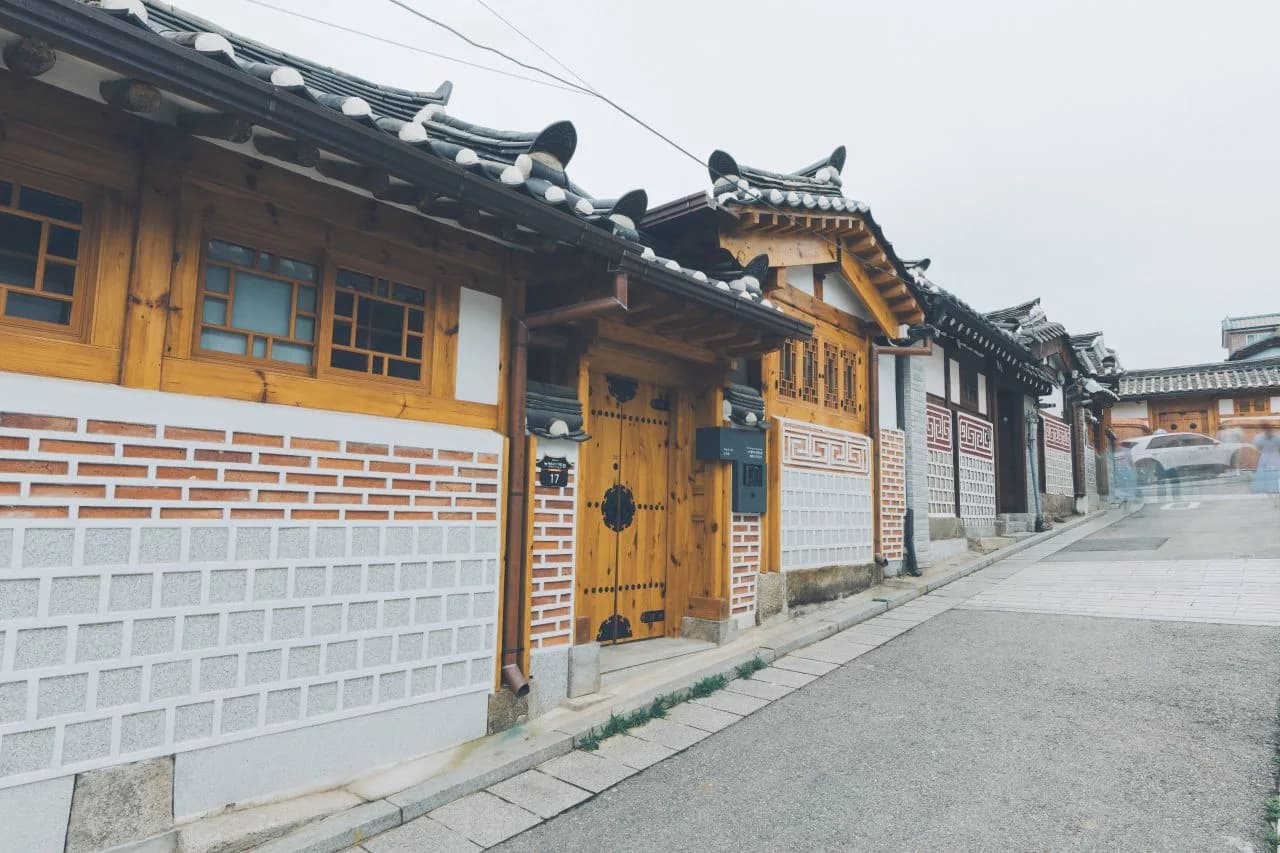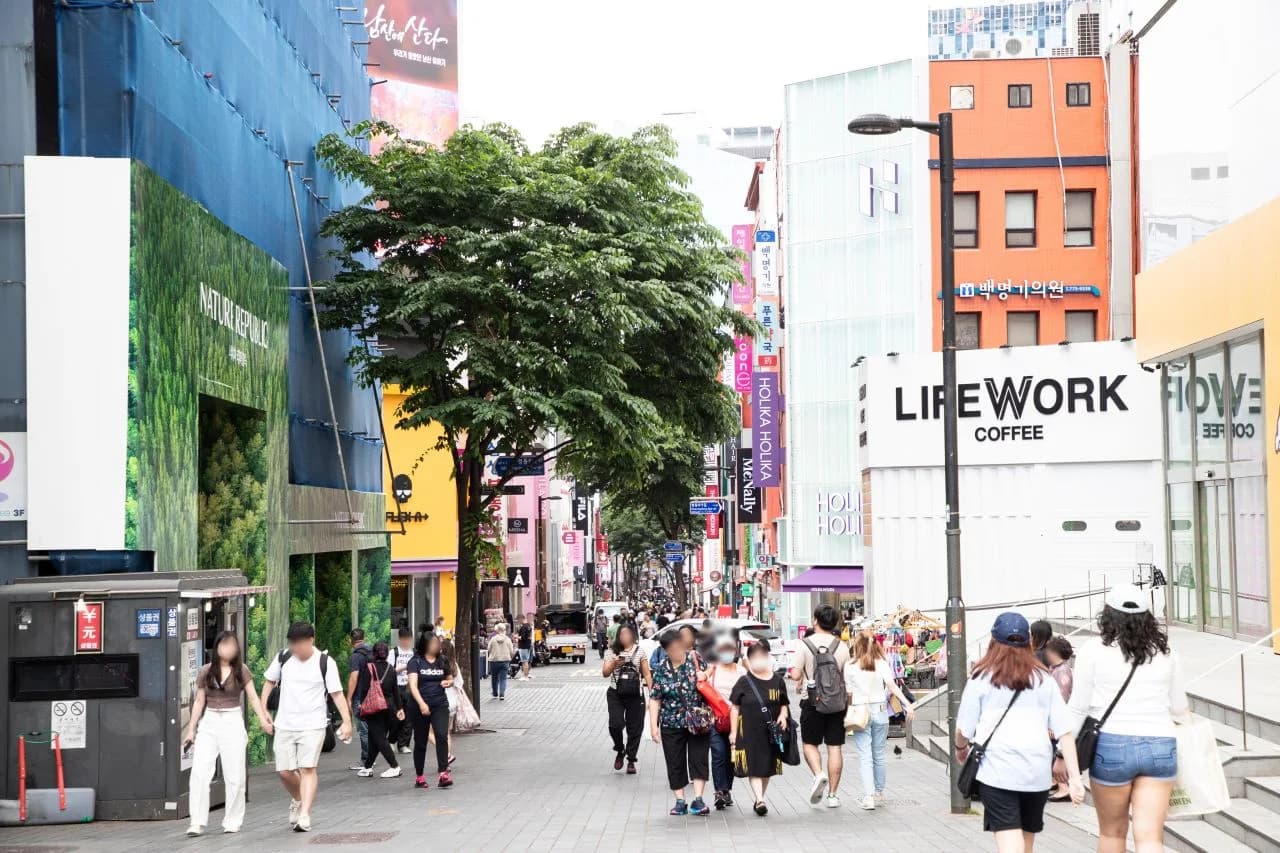
Match the area to your list
Write three categories before opening a map: items you must buy, things you would like to browse, and purchases that depend on price. A replacement skincare product with an exact name is a different task from discovering a local clothing label. Choose the district that solves the first task and leaves room for the second, rather than following the longest social-media shop list.
The comparison below describes an outing, not every business in each neighborhood. The same chain can have several branches with different stock, queues or promotions. Save the exact branch in your map, not only the brand name. If traveling with someone who does not enjoy shopping, agree on a meeting place and a finish time before separating.
| Area | Best starting purpose | Keep in mind |
|---|---|---|
| Myeongdong | Beauty products and mainstream retail | Compare the exact size and bundle |
| Seongsu | Concept stores and design-led browsing | Check dates for temporary shops |
| Hongdae | Shopping along pedestrian streets | Pick a few streets, not every branch |
Myeongdong: finish a focused shopping list
Myeongdong is useful when the aim is to compare beauty products and recognizable retail brands within one central shopping area. Start with the item that matters most: the exact product name, shade, size or model. Take a photograph of its packaging if that helps staff identify it, but avoid handing over an unlocked phone containing private travel documents.
Build a short loop from one priority branch to a second comparison shop, then stop for a break before buying optional extras. Check the unit price of multipacks and whether a gift-with-purchase actually suits you. A street full of signs does not mean every offer is exclusive to that district. Keep enough bag space for the purchases you planned, and resist adding heavy items simply because the return to your hotel looks short.
Seongsu: make browsing the main activity
Seongsu’s appeal includes repurposed industrial spaces, cafés and brand-led retail. This is a better match for an afternoon of exploring presentation and design than for racing through a fixed shopping spreadsheet. Temporary installations can be the attraction, but their dates, entry system and purchase availability are separate questions. A photograph of a striking storefront does not establish that it is open today.
Choose two places that genuinely interest you and draw a walk between their real addresses. Add a café only if it fits that route, rather than crossing the neighborhood for every saved recommendation. When a pop-up needs registration, check the brand’s own notice and whether a foreign phone number is accepted. If access fails, keep a permanent-store alternative so the whole outing does not depend on one temporary event.
Hongdae: shop without losing the walking route
Hongdae’s pedestrian-oriented shopping streets make sense when you want the outing itself to include wandering, food and a changing street scene. Decide which part of the area you will explore rather than treating the neighborhood name as a single destination. Mark a starting point, a few shops and a return meeting point; a pin at a large station alone is not a useful rendezvous.
For clothes and accessories, compare fit and construction before comparing price. Read any displayed exchange or return conditions before paying, particularly when the purchase must travel home with you. Do not assume a purchase can be returned from overseas or exchanged at another branch. Put the receipt with the item and note the store’s contact details if a question remains unresolved.
Build one workable half-day
A practical sequence is a priority purchase, a browsing loop, a seated break and a final decision. Treat that as an editorial planning pattern, not a timetable promised by the neighborhoods. Check opening hours for the specific branches and start at the one with the narrowest availability. Leave the second half of the outing flexible so a queue does not destroy every later plan.
If combining districts, explain the reason in one sentence: a specific item in one and a particular experience in the other. Without that reason, a second area often repeats the same shops while adding transport and bags. Avoid scheduling a distant paid attraction immediately after shopping unless you know where you will leave the purchases and how the last transfer works.
Check the purchase before leaving
Keep a single note with what you bought, the branch, the amount paid and any condition you may need later. If tax refund is offered, confirm the process at that checkout instead of assuming every branch handles it identically. A receipt, a return policy and a refund document serve different purposes; make sure you leave with the ones that apply to your transaction.
Finish by reviewing the remaining list away from the sales counter. Decide whether another purchase adds something useful or merely duplicates a promotion you already accepted. The aim is not to complete every famous shopping street in one day. It is to return with the right items, understandable paperwork and enough time and energy for the rest of the trip.
- Exact branch and current hours saved.
- Size, quantity and unit price compared.
- Return conditions understood before payment.
- Receipts and any refund documents retained.
Sources & verification
Prepared by Gollaba using the sources below. Planning suggestions are editorial judgments, not claims of a personal visit.
- Visit Seoul — Myeongdong ↗Source checked:
- Korea Tourism Organization — Seongsu shopping ↗Source checked:
- Visit Seoul — Hongdae pedestrian street ↗Source checked: