1. Choose a base by the last part of the walk
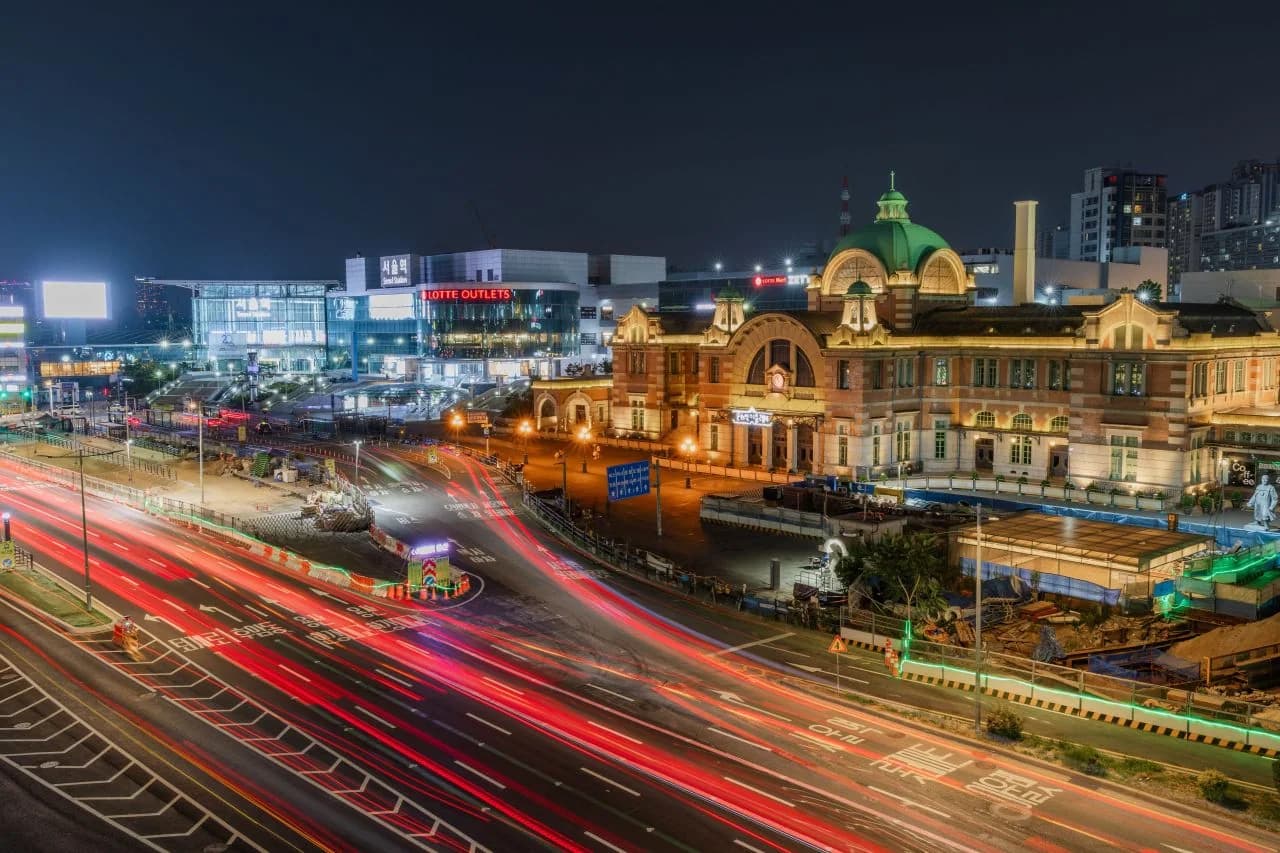
Compare a property’s exact location, staffed or self-check-in process and the route from the station exit to the door. A hotel described as near a station may still involve an uphill walk or a confusing final turn. Read the accommodation’s current instructions and keep the Korean address available offline, especially for a late arrival.
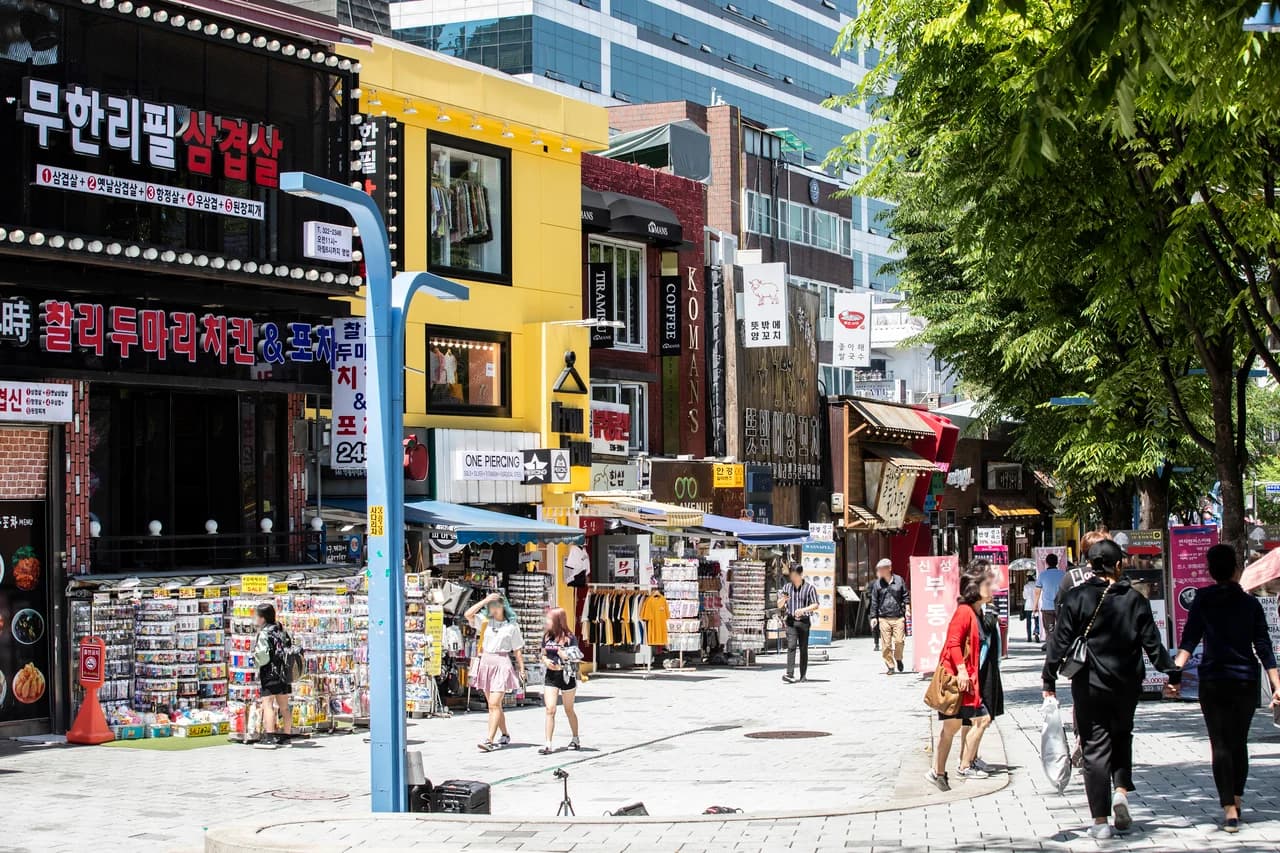
For a first visit, a base around the sightseeing areas you actually plan to use can simplify the day. Jongno, Myeong-dong and Hongdae represent different routes and evening environments, not a ranking of guaranteed safety. Pick the place whose return route and check-in arrangements you understand. Do not publish your room number or a real-time location trail to a public account.
2. Make a solo day a sequence, not a collection
Choose one main experience, a meal in the same area and an optional final walk. For example, use a National Museum of Korea visit in Yongsan as the anchor, select the galleries that interest you and leave the evening flexible. Check the actual opening calendar; a solo traveler does not avoid a closure simply by arriving without a tour group.
Write a stopping point into the plan. If you enjoy a gallery or café longer than expected, drop the optional stop instead of rushing across town. Carry only what you can comfortably manage alone. When buying a timed activity, check the meeting place and any minimum-participant condition; one person booking a ticket does not always mean a tour operates for one person.
3. Ask the one-person question before ordering
Start with a place whose menu clearly offers individual bowls, noodles or single-person sets if you want a straightforward meal. At barbecue or a shared hotpot restaurant, ask whether there is a minimum order and whether a solo customer is accepted. Do not assume a menu price beside meat is the total for an entire meal.
A useful question is “혼자 식사할 수 있나요?”—can I eat here alone? Follow with “1인분 주문할 수 있나요?”—can I order one serving? These are questions, not a promise that the restaurant will say yes. Check ingredients separately if needed, and ask about self-service water or side dishes rather than interpreting unfamiliar table arrangements as poor service.
4. Decide the return route before the evening begins
Check your actual last usable train and any connection, not a generic statement that the subway runs until midnight. A departure that still exists on one line may no longer connect to the line you need. Keep the accommodation address and a backup taxi plan ready before your phone is low on battery.
Choose well-lit, active routes and avoid following a stranger into an unfamiliar vehicle or secluded shortcut. If taking a taxi, verify that the vehicle and pickup match the service you arranged and retain the trip record. Alcohol, tiredness and a flat battery make ordinary navigation harder; leave earlier if needed. No app, neighborhood reputation or published guide guarantees personal safety.
5. Separate an emergency from a travel question
In Korea, 112 is the police emergency number and 119 is for fire and ambulance. State your location as clearly as possible, using a building name or map position, and ask for an interpreter if you need one. Do not delay an urgent call while trying to translate an entire explanation perfectly.
For ordinary tourism information, use the Korea Tourism Organization’s travel-help channels, including 1330 information and online assistance as currently offered. That is different from dispatching emergency services. Tell a trusted person privately where you are staying and agree on a simple check-in routine. Keep the details useful, not public; sharing every live movement online is not necessary to stay connected.
6. Spend on what makes the trip work for you
A solo room, private transfer or shared-menu minimum can change the cost compared with a couple’s per-person budget. Compare the total you will actually pay instead of dividing every advertised price by two. A conveniently located stay or a paid experience you genuinely want may be more valuable than adding several low-priority stops merely because they are cheap.
Each morning, check today’s route, opening status, meal option, payment backup and return plan. Each evening, recharge the phone and review the next day’s reservation. Leave space for an unplanned museum room, shop or conversation, while keeping your own boundaries. Independence works best when the essentials are settled and the optional parts can remain genuinely optional.
Sources & verification
Prepared by Gollaba using the sources below. Planning suggestions are editorial judgments, not claims of a personal visit.
- Korea Tourism Organization — disaster safety and emergency contacts ↗Source checked:
- Korea Tourism Organization — Korean food and restaurant use ↗Source checked:
- National Museum of Korea — visitor information ↗Source checked: