Choose the station before comparing the fare
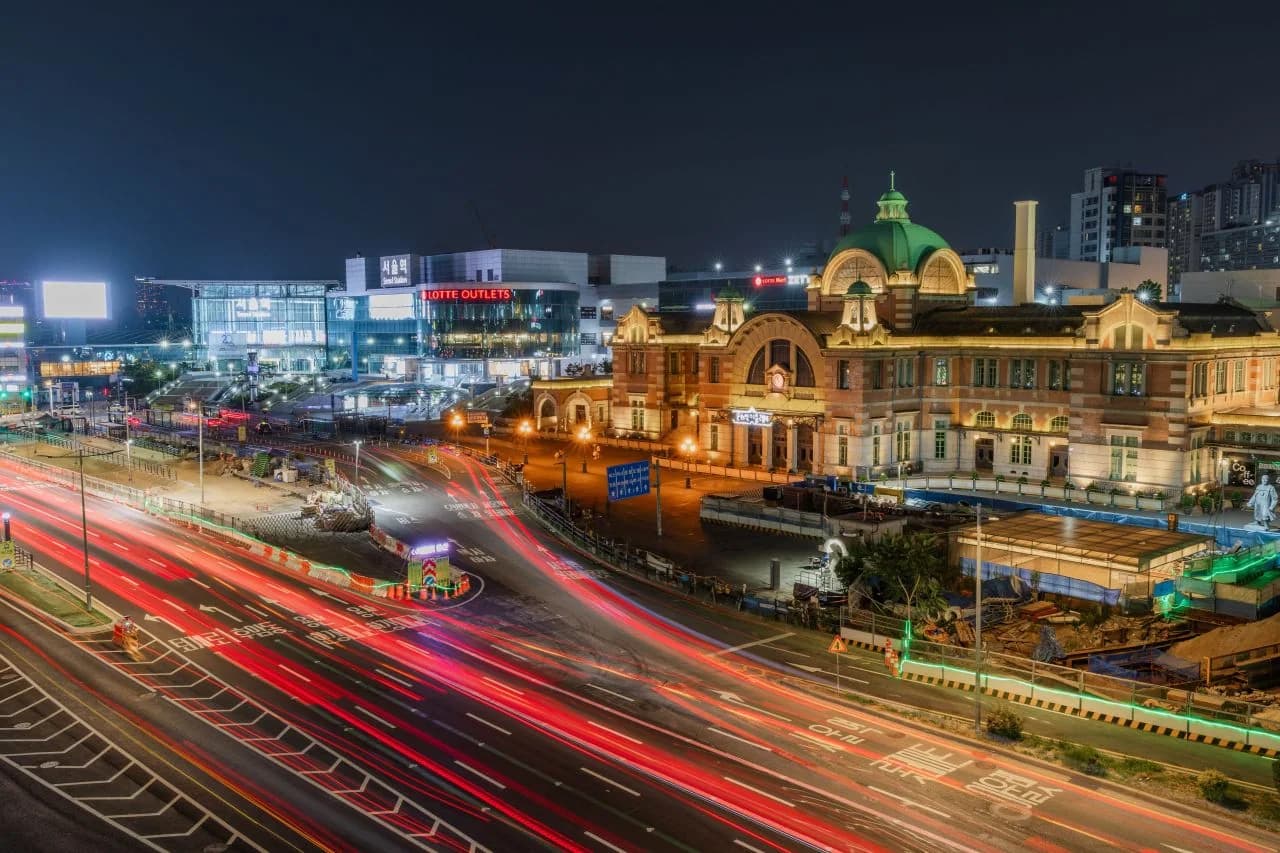
Seoul Station is the main starting point to search for this KTX journey; the Gyeongbu corridor connects Seoul and Busan. Seoul Station also connects with subway Lines 1 and 4 and the airport railroad. On the booking screen, check the actual station name rather than treating every station in the wider Seoul area as interchangeable.
Suseo is a different station from Seoul Station. KORAIL announced integrated high-speed operation from September 2026, including renaming the former SRT service KTX-Sancheon. Do not use the old rule that every Suseo departure needs a separate SRT booking system. If your hotel is nearby, compare the current departures, but follow the station and train number on your ticket and include the hotel-to-station journey.
At the other end, Busan Station is your rail arrival point, not necessarily your hotel neighborhood. Add the onward trip to Haeundae, Seomyeon or another address before deciding whether a late arrival is convenient.
When to book and what the search result means
The current KORAIL English reservation screen, checked in October 2026, states that schedules and tickets are available up to two months ahead. KORAIL’s October 8 update says the expanded window for foreign visitors started on October 1. Do not treat the older one-month rule as current or assume every domestic sales channel works identically. Holiday sales and timetable changes still need their own notices checked; an empty search does not always mean every seat has sold out.
Use the official KORAIL reservation service linked in the sources below. Enter the direction, travel date and all passengers correctly, then compare the actual results. Duration varies by train and stops. Do not build a connection around a generic “KTX takes this many minutes” claim when the booking screen provides the schedule for your selected service.
Reserve important intercity legs before committing to non-refundable activities around them. If a preferred train is full, try another departure time or a clearly understood alternative rather than buying a ticket for the wrong date or station.
Before paying: seats, ticket retrieval and changes
Check the train number, departure and arrival stations, date, departure time, passenger categories and seat class. If the booking system offers seat selection, inspect the carriage plan rather than assuming that everyone in the booking sits together or faces forward. Accessibility needs should be addressed through the railway’s available booking or assistance process.
Read the cancellation and change conditions attached to your purchase. They can depend on timing and the ticket channel. If using a third-party seller, establish whether it issues the usable rail ticket or a voucher that still needs exchange, whether seats are confirmed and who handles a refund.
After payment, retrieve the actual ticket using the instructed method and keep access to your booking details. Do not close the process at a card-payment notification. If payment appears to have gone through but no ticket is available, check the reservation or contact the seller before purchasing a duplicate.
Point-to-point tickets or a KORAIL PASS?
List the intercity trains and dates you will actually use, then compare their current fares with a pass for which you qualify. KORAIL’s current pass guide excludes metropolitan rail and temporary tourist trains; do not assume it replaces every rail journey. Check the current use-day and seat-reservation rules rather than carrying forward the older blanket SRT exclusion. The guide requires a valid pass and passport, plus the reservation ticket for a reserved seat; a screenshot of a ticket is not valid.
For just Seoul–Busan and back, compare both options instead of assuming a foreign-visitor pass is always better. If the pass saving only appears after adding journeys you did not intend to take, it is not a saving on your original plan. Availability still matters: check how to secure the seats you need before buying.
Boarding day with luggage
For a first visit to an unfamiliar station, we suggest arriving about 30 minutes before departure so you can find the departure display, platform and carriage. This is a planning buffer, not an official check-in deadline. Add more time if you need assistance or must resolve a ticket problem. Match the train number and time, not just the word Busan on a sign.
Keep the valid ticket available, let passengers leave before boarding and place luggage where permitted without obstructing doors or aisles. Pack valuables and the items you need during the ride separately from a large suitcase. Follow railway instructions about luggage; this guide does not promise a particular oversized-bag allowance.
An airport arrival followed by KTX requires immigration, baggage collection and the transfer to the correct station. Do not reserve a tight non-refundable connection by adding only the advertised airport-rail running time.
Finish the plan at your hotel, not at the station
Before departure, save the Busan hotel address, late-check-in instructions and an onward route. Keep some mobile data or an offline copy of the essential details. A train reaching Busan late in the evening can still require a substantial hotel transfer; decide whether that fits your first-night plan.
Your final checklist is direction, date, actual stations, passenger details, usable tickets, seat arrangements, refund terms and hotel transfer. Current fares and train times belong to the live booking result, not to a permanently copied price in a travel article. Recheck them when purchasing and check your departure details again on travel day.
Booking routes and what the linked products cover
Use the official KORAIL ticket-reservation link in the sources for this journey. Confirm the date, actual stations, passengers, seats and ticket retrieval. Read the separate official KORAIL PASS guide if considering a pass. The current public Gollaba catalog has no precisely matching rail ticket, so a Busan sightseeing tour is not substituted for KTX booking.
Sources & verification
Prepared by Gollaba using the sources below. Planning suggestions are editorial judgments, not claims of a personal visit.
- Korea Tourism Organization ↗Source checked:
- KORAIL ↗Source checked:
- Korea Tourism Organization ↗Source checked:
- KORAIL — 2026 high-speed rail integration ↗Source checked:
- KORAIL — October 8 booking-window implementation update ↗Source checked:
- KORAIL — Current pass and seat-reservation guide ↗Source checked: