Lower the target before starting
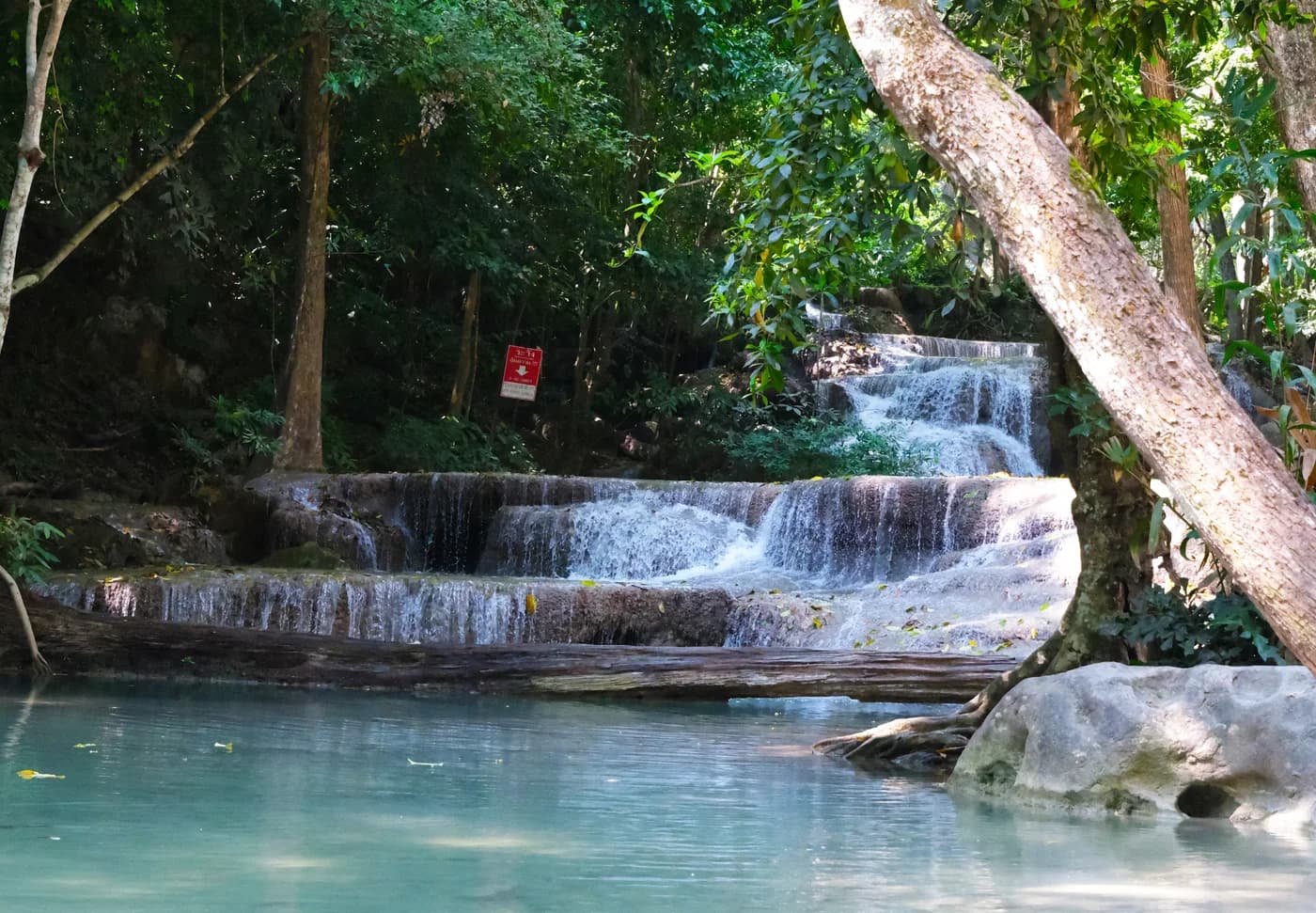
On arrival, use the visitor map to select a section that the whole group can manage instead of immediately aiming for the final tier. An easy-feeling beginning does not mean the surface and gradient remain the same throughout. Someone who only wants to look at the falls does not need to turn the day into a swimming excursion. With children or a companion who finds steps difficult, match the slower walker rather than the fastest. Save energy for the descent. Enjoying the forest and waterfall before turning back is not a failed visit simply because one numbered tier remained unseen.
Prepare for the visit you actually want
The table is a planning tool, not an accessibility classification guaranteed by the park. A ranger’s closure or turnaround instruction takes priority over it. Clear-looking water is not evidence of safe depth or flow. If swimming is allowed, confirm the permitted area and life-jacket requirements and use properly fitting equipment. Ask about eating areas and food restrictions at the entrance rather than leaving food beside the pools. Do not build the day around crossing barriers for a photograph or treating natural rocks as slides. The useful question is what your group can enjoy safely under the actual conditions.
| Aim | Preparation | Stop condition |
|---|---|---|
| Scenery and a short walk | Shade breaks and walking shoes | Group fatigue |
| Permitted swimming | Permission and a fitting life jacket | Restrictions or unsafe water |
| A longer walk | Open-route check and descent buffer | Ranger cutoff or return limit |
Let the return determine the walk
A visit starting from a Kanchanaburi hotel and a round trip from Bangkok leave different amounts of time at the same waterfall. Put the exact hotel and park pickup point into the transport booking. With a public bus, establish today’s final return and a fallback if it is missed; do not lift a timetable from an old tourism description. A private driver still requires an agreed waiting period, overtime terms and final destination. Ask separately about the upper-route departure cutoff and the overall park closure, since they need not be identical. Leave room for rest, toilets and changing wet clothes before the vehicle departs.
Price the missing parts before paying
Separate return transport, admission for the actual visitors, any required equipment rental and food. Establish whether the tour already includes park admission before adding it again. A vehicle may still operate when rain or a partial closure changes the waterfall visit, so distinguish cancellation by the traveller from cancellation by the operator. This guide does not promise that every tier will be open on a particular date or invent an unverified rental rate. Decide together whether a walk without swimming would still be worthwhile or whether you would prefer a permitted date change. That decision is easier before reaching the entrance.
- Check walking access and swimming permission separately
- Allow descent and pickup time
- Check admission and rental inclusions
Sources & verification
Prepared by Gollaba using the sources below. Planning suggestions are editorial judgments, not claims of a personal visit.
- TAT Japan — Erawan Waterfall ↗Source checked:
- ONEP — Erawan natural heritage record ↗Source checked: