Know what the two names mean
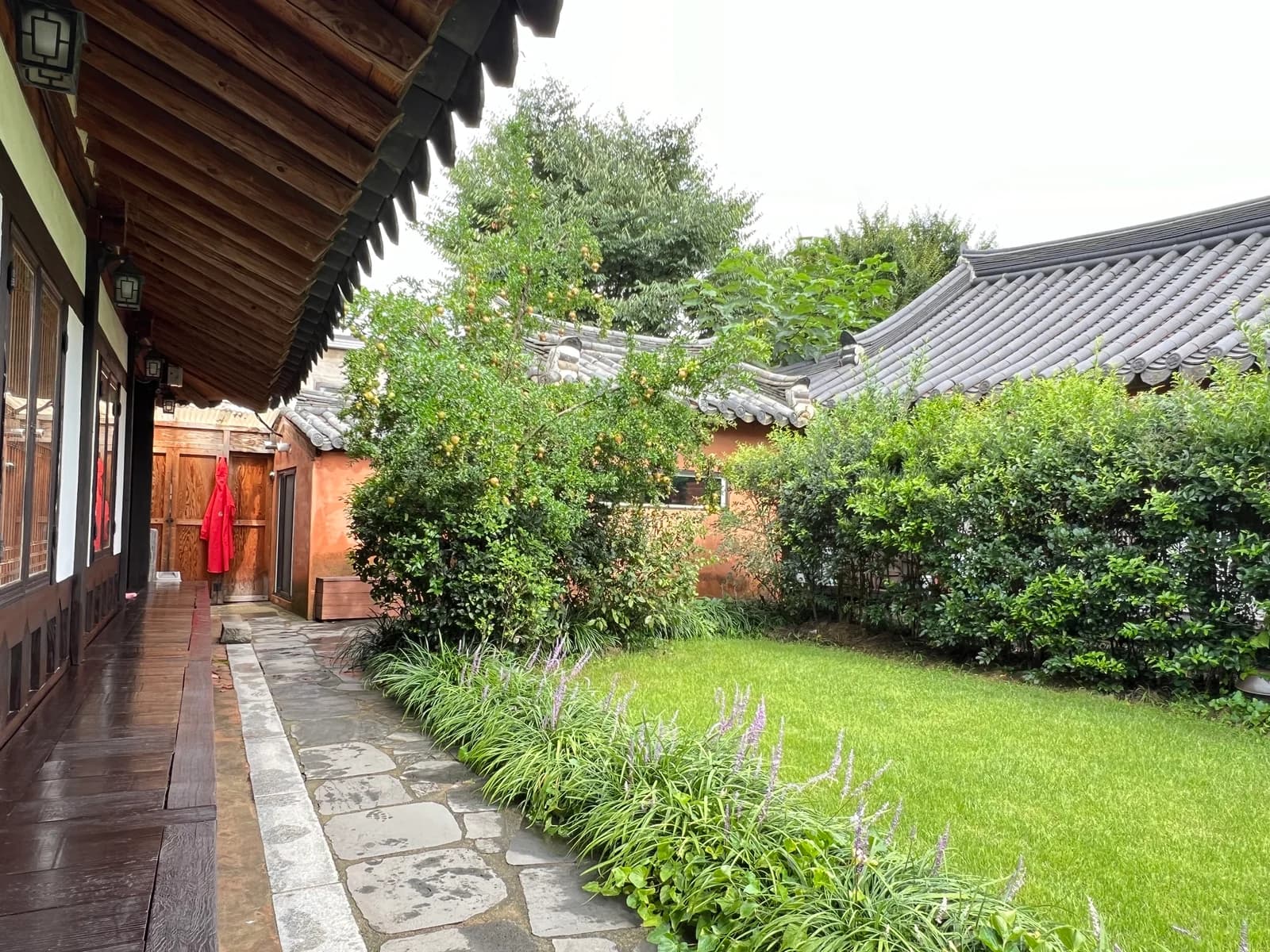
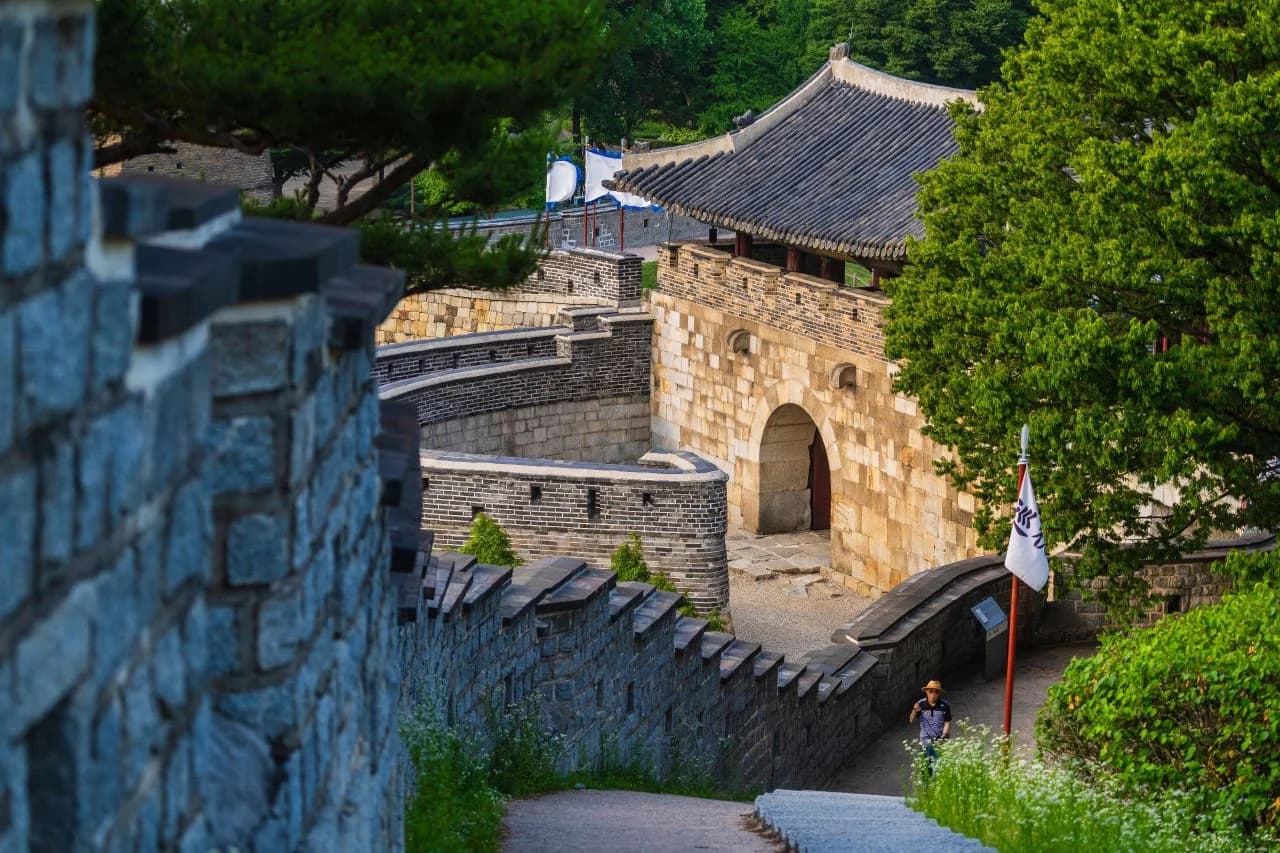
Hwaseong Fortress is the system of walls, gates and defensive structures around Suwon’s historic center. Hwaseong Haenggung is the palace complex within that wider setting. Visiting one does not automatically mean you have seen the other. The fortress was built in 1794–1796 under King Jeongjo and entered the UNESCO World Heritage list in 1997; the day is about understanding an urban landscape, not just finding a single monument.
Decide what interests you most before drawing a route. Palace courtyards, gate architecture and walking beside the walls give different experiences. A first visit can combine the palace with a short wall section and a meal without becoming a full-distance walking challenge. That choice also leaves room to notice how the heritage structures sit beside the present-day city.
Travel to the city, then to the starting point
Plan a rail or subway journey that actually serves Suwon, then a local bus or taxi to your chosen first stop. A Suwon Station arrival time is not the start of the palace visit. Check the current route from your accommodation and save the Korean destination name, 화성행궁, if starting at Haenggung. Avoid using only the broad word “Hwaseong” when specifying a pickup or destination.
Include finding the station exit, waiting for the local connection and reaching the entrance. If meeting others, choose the palace entrance or another precise landmark rather than Suwon as a general area. Book any reserved train only after checking the actual station and time. Keep the return flexible where possible so a pleasant meal or slower walk does not become a race back to a distant platform.
Use a manageable palace-and-north route
One practical route is Haenggung first, a meal nearby, then Hwaseomun, Janganmun and the Hwahongmun area. This moves from the palace toward the western gate, across the north and toward the northern water-gate scenery. It is an editorial route suggestion, not an official accessible route or a requirement to stay on top of the wall at every point. Follow the current local map and open paths.
Choose how much of the connection to walk at street level and where to shorten it. If the group is already tired after the palace, choose one gate area rather than continuing through the entire sequence. Decide the final pickup or bus stop before wandering farther. The important part is that the route has a beginning, a rest and an easy finish instead of repeatedly doubling back to the same entrance.
| Part of the day | Main purpose | If you need to shorten it |
|---|---|---|
| Haenggung | Palace spaces and historical context | Focus on the main visitor route |
| Meal break | Rest before the wall walk | Keep it near the next stop |
| Hwaseomun → Janganmun | Western and northern gate settings | Choose one gate area |
| Hwahongmun area | Finish around northern water-gate scenery | Return from the nearer stop instead |
Keep free walls and paid visits separate
The fortress is free to visit, while ordinary adult Haenggung admission is KRW 2,000. The checked general palace schedule is 09:00–18:00 with last admission at 17:00. Night opening has its own dates and conditions, so do not apply a seasonal evening notice to every night of the year. If buying a combination ticket, identify each included venue instead of assuming it covers all paid activities in Suwon.
The martial-arts demonstration is another separate calendar item. The foundation lists scheduled performances but also weather-related cancellation conditions. Check whether the show runs on your actual day before making it the reason for an early arrival. Keep enough time for the palace even if a performance is canceled. A free event can be a welcome addition without carrying the entire value of your trip.
Match the walk to conditions
A fortress route includes different surfaces, exposed sections and changes in level. Do not describe a shorter route as fully step-free without checking the exact path. If access needs matter, ask the visitor service about the relevant gates and street-level alternatives. The western hill area and a complete circuit are different commitments from a short northern visit.
In heat, rain or slippery conditions, shorten the outdoor section and use a sensible rest stop. Bring water and footwear that suits the ground, but do not assume equipment alone makes every route appropriate. Keep a companion’s comfort part of the plan from the start. There is no need to reach the farthest gate simply because the map shows a continuous wall; a selected section can explain the fortress clearly without exhausting the day.
Give the day an easy finish
After the last selected gate, choose a meal or a direct return rather than automatically adding another distant Suwon attraction. Check the current route back to your station and retain the actual booking information if using a reserved train. Leave time to find the correct entrance and platform. Ending the sightseeing route does not mean the transport portion is finished.
Before departure, keep a compact note with the first stop, paid admission, performance choice, shortened walking option and return plan. Share it with companions so everyone understands what can be dropped if needed. A complete day trip is not one that touches every named gate. It is one in which arrival, historical context, walking, food and the journey home fit together without a succession of hurried corrections.
- Suwon and the exact starting point saved.
- Station-to-palace transfer included both ways.
- Free fortress access distinguished from paid Haenggung.
- Current opening and performance calendar checked.
- Shortened route and a comfortable return planned.
What to check in the linked tour
The linked Klook product is a Seoul-departure bus tour combining Suwon Hwaseong with Korean Folk Village in Yongin. The checked page lists English and Chinese options, bus transport, lunch, Folk Village admission and insurance. It does not establish that Haenggung or every other entry is included. A “pay on site” label at the fortress stop is not evidence of a new fee for the free walls: ask the operator which separate paid items it means.
Check the selected voucher for the meeting time and Seoul return point; do not infer hotel pickup. The checked cancellation cutoff is 48 hours before the activity date in destination local time, and late arrival or no-show is not refunded. Re-read how that cutoff applies to your final option before paying. This package differs from independent palace-and-gates sightseeing in transport, time and meals; comparing it with a single palace entry fee is not like-for-like.
Sources & verification
Prepared by Gollaba using the sources below. Planning suggestions are editorial judgments, not claims of a personal visit.
- Suwon Tourism — Hwaseong heritage ↗Source checked:
- Suwon Cultural Foundation — 2026 Haenggung evening dates ↗Source checked:
- Suwon Cultural Foundation — Martial arts performance ↗Source checked:
- Suwon Cultural Foundation — Gate locations ↗Source checked:
- Klook — Suwon and Korean Folk Village day tour ↗Source checked: