Choose the visit you actually want
Choose an independent daytime visit if your priority is seeing the palace at your own pace. Choose an official language tour if explanation matters more than choosing your own start time. A commercial tour is worth considering when you want a guide for a wider itinerary, not simply because you need to enter the palace.
Our planning suggestion is to reserve a two-to-three-hour block for entry, walking, photographs and breaks. This is a buffer for your itinerary, not an official minimum or a measured visit duration. Travellers with a tight schedule should shorten the route rather than book a timed activity immediately afterwards.
Pick the day before you plan the route
The normal closing day is Tuesday. When it coincides with a public or substitute holiday, the palace opens and closes on the next non-holiday instead. Last admission is earlier than closing time; arriving at closing time will not get you inside.
Daytime hours are 09:00–17:00 in January–February and November–December, 09:00–18:00 in March–May and September–October, and 09:00–18:30 in June–August. Last admission is one hour before closing. Check the official calendar again for your actual date.
Getting there without confusing the station and the gate
Use Gyeongbokgung Palace (경복궁) as your map destination: 161 Sajik-ro, Jongno-gu, Seoul. The official directions list Line 3, Gyeongbokgung Station, Exit 5, and Line 5, Gwanghwamun Station, Exit 2. Choose the line that fits your starting point rather than adding a transfer just to use the nearer station.
Keep the Korean destination name saved on your phone. If you need a lift or step-free access, check the station facilities and palace visitor map separately: an exit listed for ordinary walking is not a promise of an accessible route. Allow your own buffer for leaving the platform, traffic crossings and finding the entrance.
Admission is not the total cost of your outing
Standard daytime admission for foreign visitors aged 19–64 is KRW 3,000 per person. Foreign visitors aged 18 or below, or 65 and above, qualify for free general admission. These are foreign-visitor age rules; do not copy the Korean-resident youth threshold into your budget.
Budget separately for transport, food, hanbok rental and any commercial guide. A tour price and the palace admission fee buy different things. Compare the final inclusions for your party, not just the smallest number. Daytime admission rules also do not automatically apply to a separate night event.
Rent a hanbok for the experience, not just the ticket saving
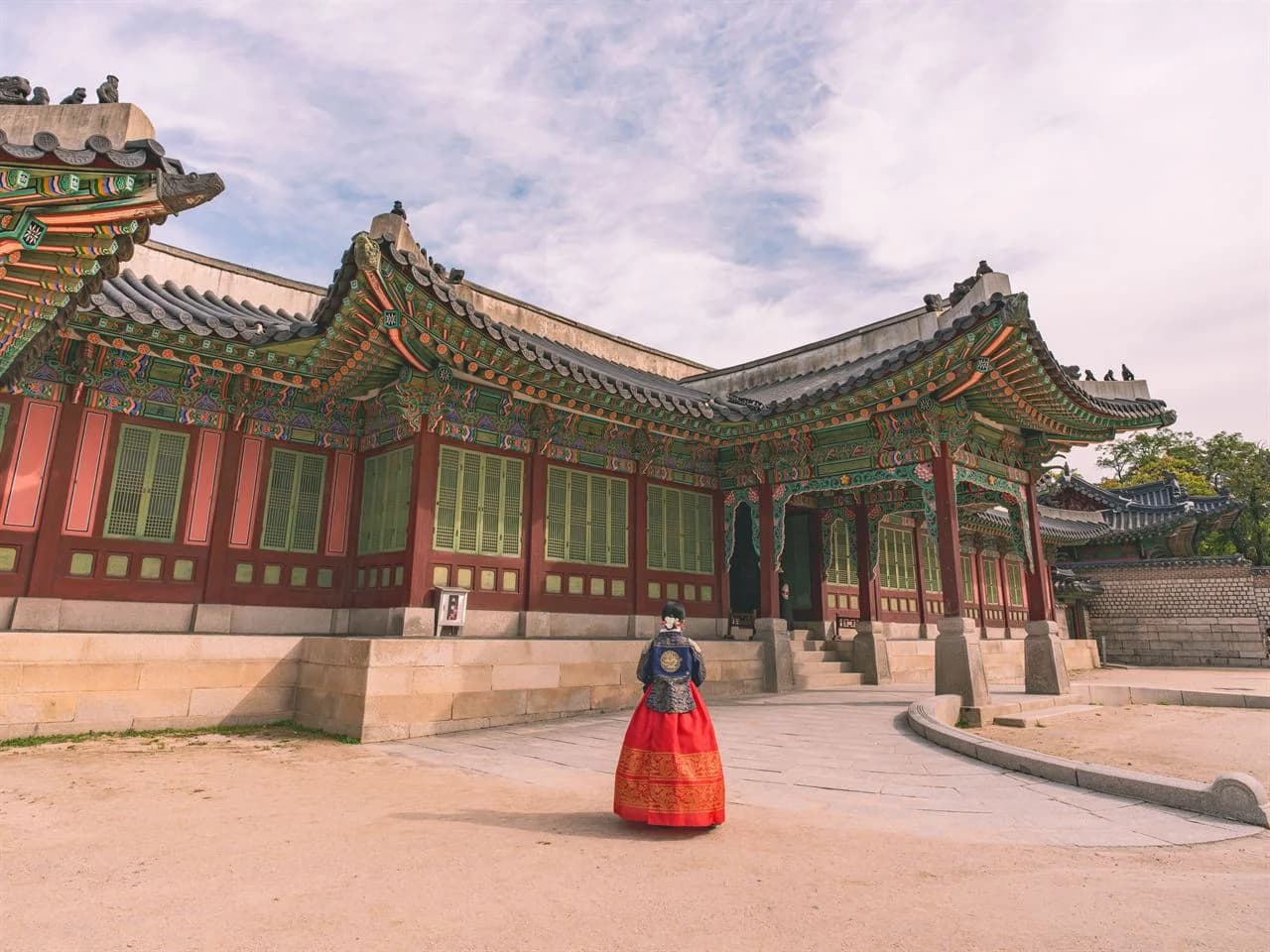
Eligible hanbok attire can qualify for free admission, but a partial outfit does not. The official rules require the upper and lower garments; jeans with a hanbok top are not enough. Ask the rental shop whether your chosen outfit meets the palace rules before paying.
Treat rental as a separate experience. Compare the rental period, changing time, included accessories, deposit and return deadline. Those conditions are shop-specific and are not verified by the palace admission policy. If photographs are not a priority, regular clothes avoid an extra stop and a return-time commitment.
Build a route you can shorten
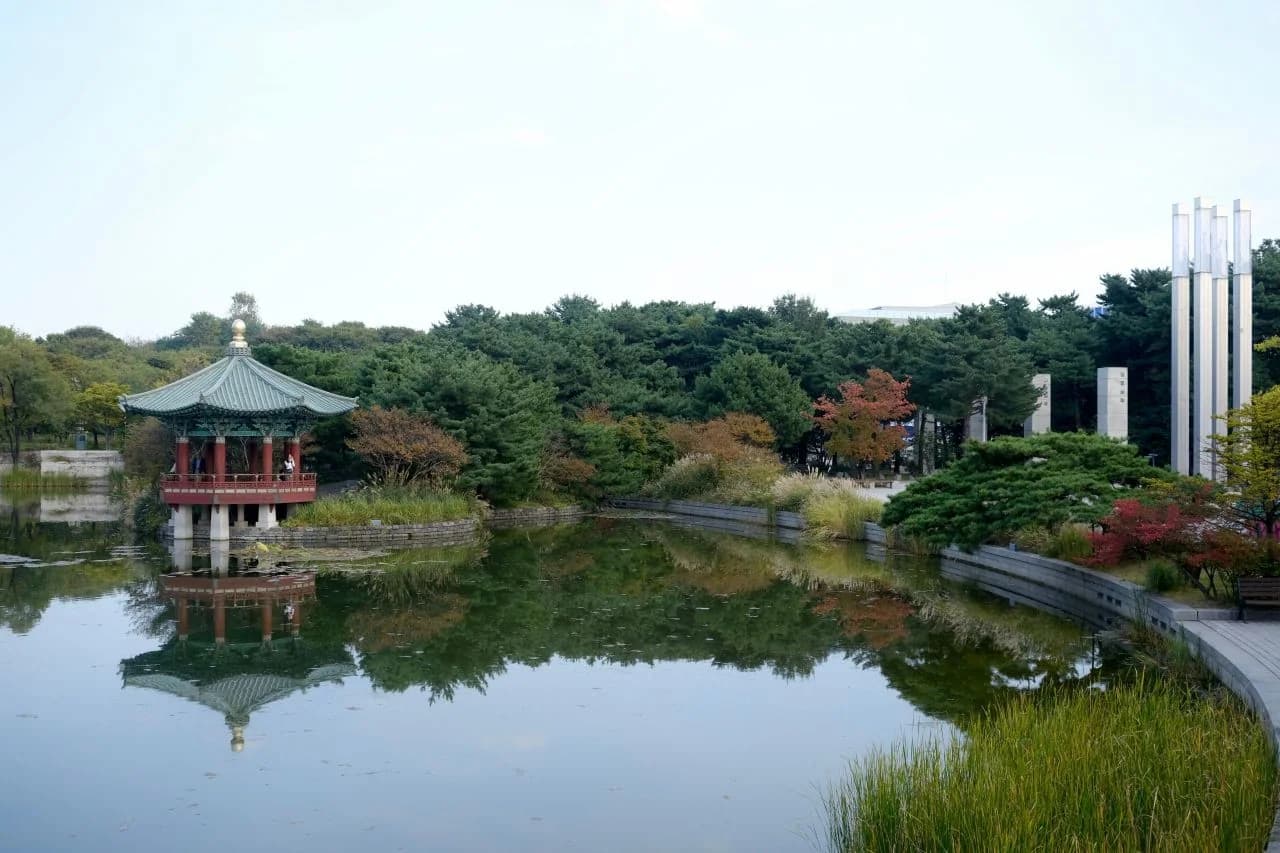
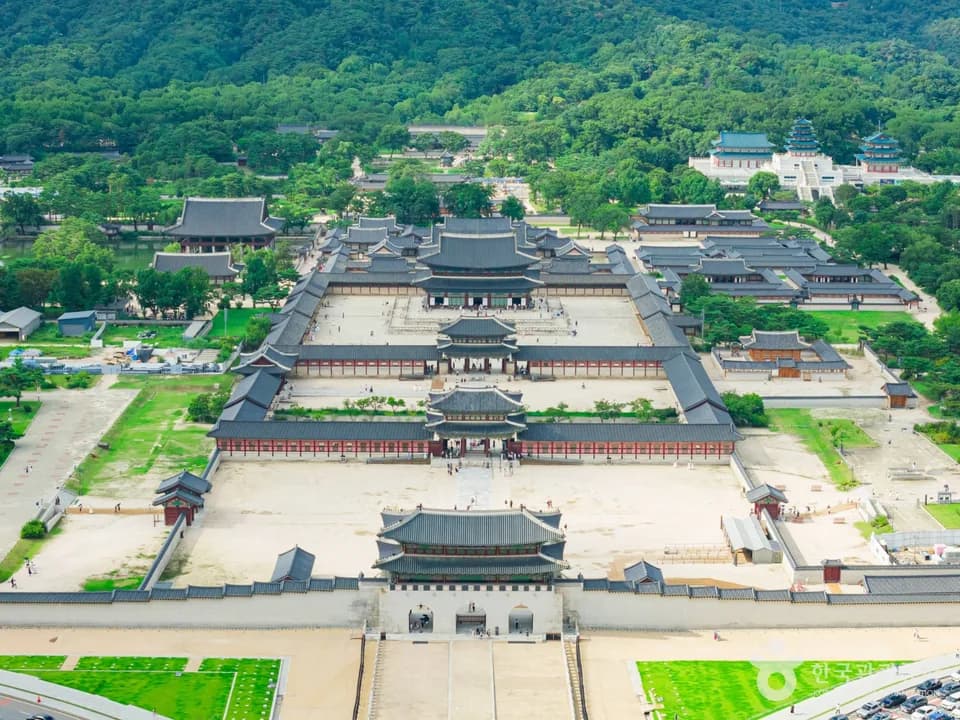
Start with the entrance and main court, then decide whether to continue through the palace halls or focus on the pavilion views. Use the official visitor map to choose the next stop instead of trying to see every building. Its 40-, 60- and 90-minute courses are route references; they do not include your personal photo, queue or rest time.
Current restriction: access to the Geunjeongjeon stone terrace is restricted for 2026-09-02 – 2026-10-31. This is not a notice that the whole palace is closed. Respect barriers and view the area from permitted locations. Do not assume that a tour booking overrides a conservation restriction.
For our suggested half-day plan, make the palace the main activity and keep a meal or rest afterwards flexible. With children or limited walking tolerance, choose fewer stops and consult the marked accessible paths and facilities. Do not treat every historic threshold as step-free.
Official language tour or commercial tour?
The listed English departures are 11:00 / 13:30 / 15:30 on opening days, subject to change. Meet at the information office inside Heungnyemun Gate; the official visit takes about one to one-and-a-half hours. Fewer than ten visitors may join without booking. Groups of ten to thirty must follow the telephone reservation procedure, from one week to one day before the visit. Korean visitors may join foreign-language tours only when accompanying foreigners; use the separate Korean schedule otherwise. Arrive before departure.
For commercial tours, compare the guide language, actual time inside the palace, meeting point, admission inclusion and cancellation terms for your date. A listing that includes other districts should not be compared as though its entire price were a palace ticket. Pick a guided option when its extra service solves a real need.
Do not confuse daytime entry with special access
Viewing a pavilion from the grounds is not the same as entering a limited-capacity special visit. The checked 2026 autumn Gyeonghoeru and Hyangwonjeong programme runs from September 2 to October 30, with separate online reservations and eligibility rules. Its Korean-language special visits exclude foreign visitors and children aged six or below. Do not assume an ordinary language tour or an unrelated commercial tour includes this access.
The announced autumn evening period, 2026-09-02 – 2026-10-02, had already ended when checked on October 9, 2026. That notice describes a past event, not future ticket availability. Evening ticketing and eligibility are separate from daytime entry; consult a new official announcement for any later event. This guide covers ordinary daytime visits, and a daytime ticket is not an evening reservation.
Before leaving your accommodation
Check the actual opening date and last entry; save the address and map; confirm any guide meeting time; bring evidence if claiming an age-based exemption; and leave room for weather, rest and your return trip. For a hanbok booking, check the return deadline before setting the rest of the day.
If weather or walking conditions make the visit unsuitable, shorten or reschedule the palace visit instead of trying to rescue a crowded itinerary. If a guide cancels, decide whether an independent visit still meets your goal. If the palace is closed, do not assume a seller can provide access.
What to check in the linked tour
The linked GetYourGuide product is a wider Seoul tour, not a standalone palace ticket. Its checked guide language is English; half-day and full-day options visit different places. Tuesday itineraries replace Gyeongbokgung with Deoksugung, so they do not meet a plan to enter Gyeongbokgung. A ginseng shopping stop is also listed; do not expect an entirely independent sightseeing schedule.
Match your selected option’s admissions, transport, pickup and meeting point before paying. Do not assume meals, hanbok, hotel drop-off or insurance are included. The checked listing offers free cancellation up to 24 hours before starting, but the final selected terms prevail and lateness or no-show is separate. Read its warning that it is unsuitable for mobility-impaired travellers and wheelchair users. A displayed starting price is not confirmed seats or your party’s final total.
Sources & verification
Prepared by Gollaba using the sources below. Planning suggestions are editorial judgments, not claims of a personal visit.
- Korea Heritage Service — Gyeongbokgung admission ↗Source checked:
- Korea Heritage Service — Seasonal opening hours ↗Source checked:
- Korea Heritage Service — Palace directions ↗Source checked:
- Korea Heritage Service — Hanbok admission ↗Source checked:
- Korea Heritage Service — Language and special visits ↗Source checked:
- Korea Heritage Service — Visitor map ↗Source checked:
- Korea Heritage Service — Stone terrace restriction ↗Source checked:
- Korea Heritage Service — Completed autumn evening event ↗Source checked:
- GetYourGuide — Seoul northern-side tour ↗Source checked: