Choose a base you can return to after dinner
For a first car-free visit, use a station-accessible Naha hotel as your starting point. The evening journey back matters as much as the number of sights reachable by day. Check the walk between the station exit and hotel door with luggage in mind.
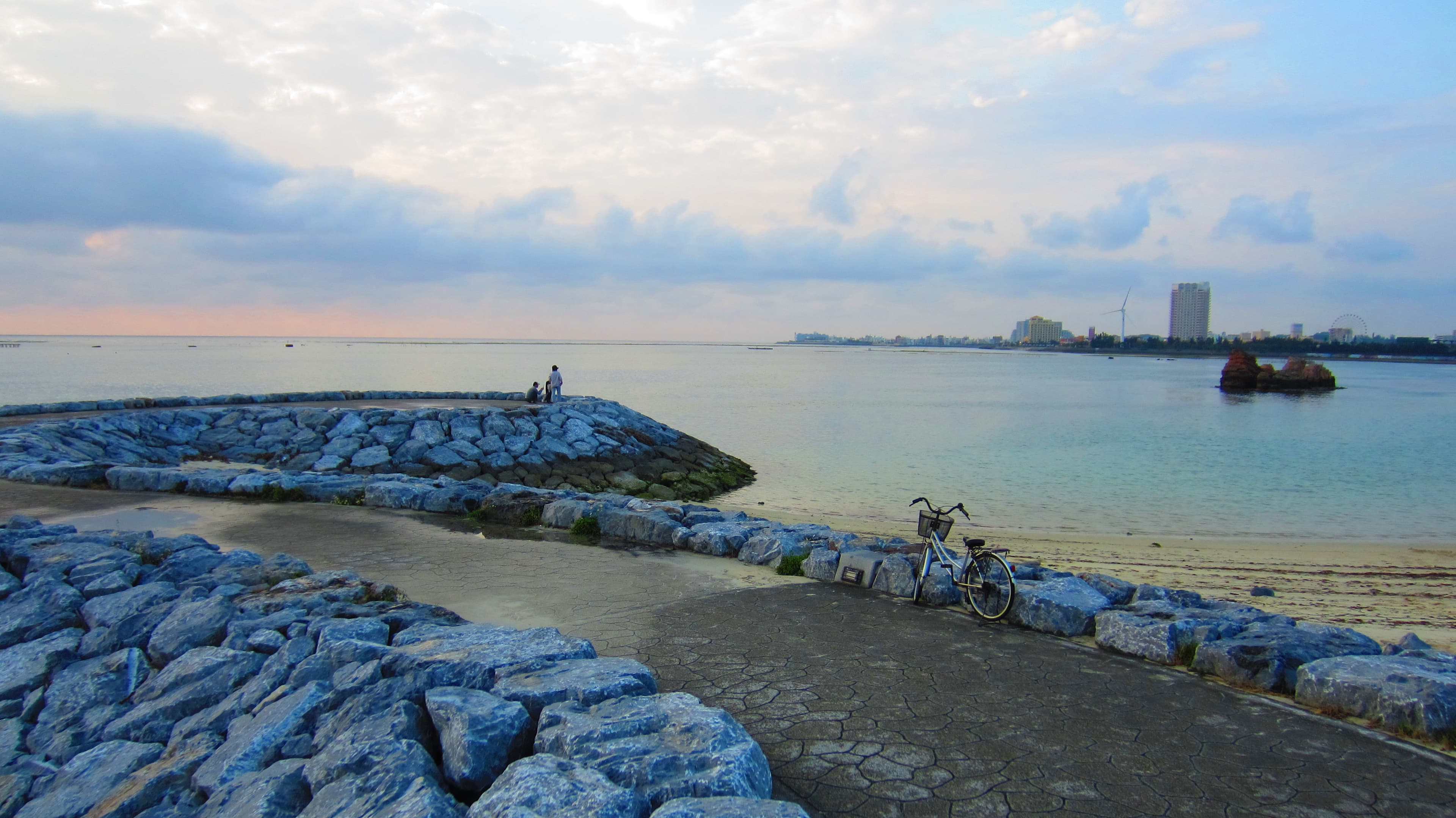
Chatan can suit a trip centred on seaside evenings, but airport, Naha and northern journeys become separate planning items. Motobu may allow more time around the aquarium, while onward journeys still need arranging. The table is an editorial comparison, not a guarantee of a particular hotel shuttle or late taxi.
| Base | Best fit | Extra check |
|---|---|---|
| Naha | City walks and transport connections | Actual hotel walk |
| Chatan | Slower seaside stay | Airport and Naha journeys |
| Motobu | Aquarium-centred northern stay | Dinner access and onward transport |
Group the places you can walk between
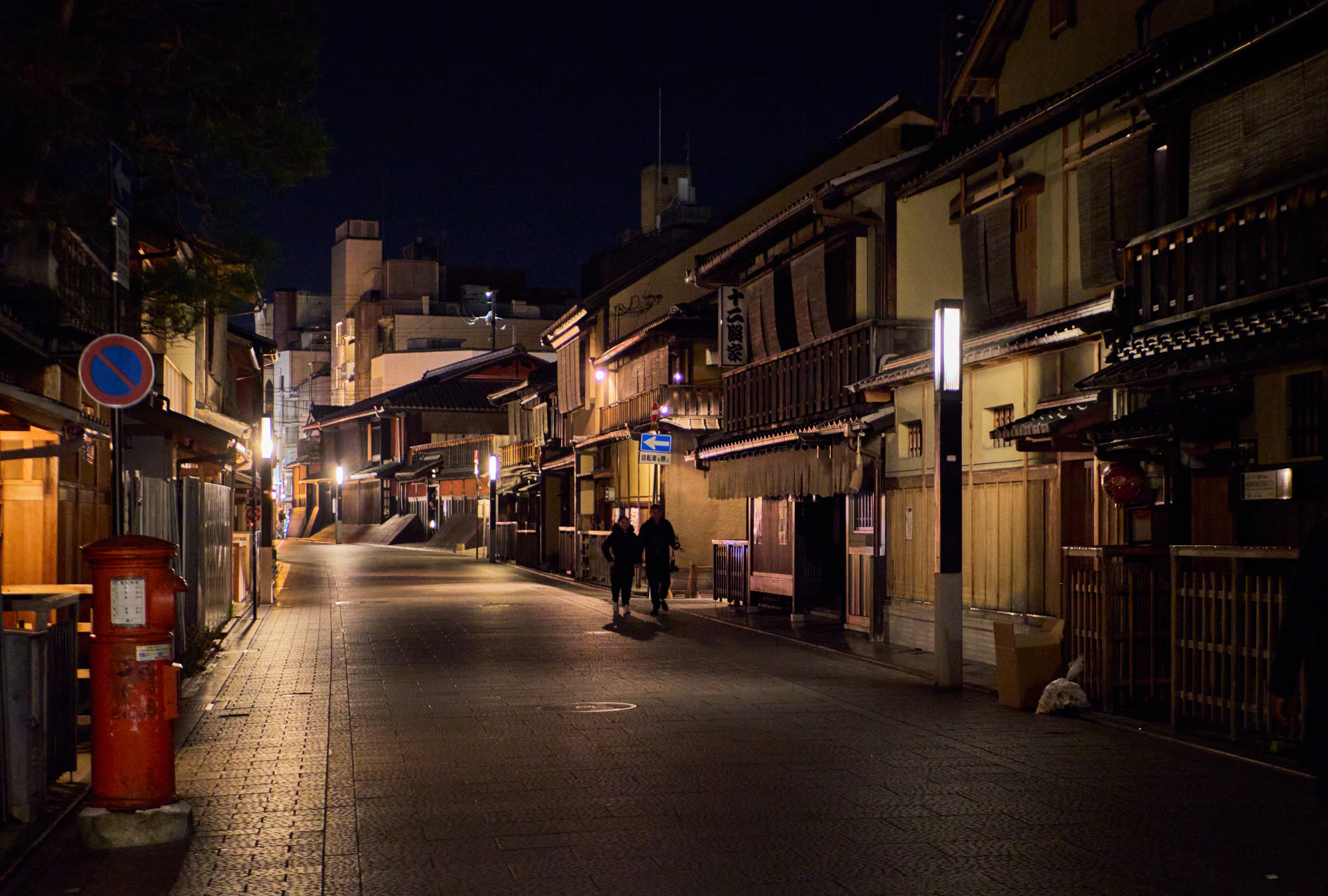
Pair Kokusai Street and Tsuboya Yachimun Street as a city-walk idea, with lunch and a break from the heat. Give the walk a focus, such as pottery, instead of turning every shop into a required stop. Keep more than one possible rest stop because businesses keep their own calendars.
Rain alternatives need opening checks too. Naha’s Tsuboya Pottery Museum has a construction closure notice for September 1, 2026–March 31, 2027. A walk along the pottery street does not mean the museum is open. Choose a nearby indoor alternative only when travel conditions are safe; this is not advice to go out during severe-weather warnings.
Build the northern day from the return backwards
Leave a whole day for the aquarium and the long round trip. Identify the return operator, stop and departure first, then subtract the time needed to leave the park and reach the stop. Do not assume the return stop is exactly where you arrived.
The aquarium’s access guidance warns about suspended services and road delays. Check the operator’s current timetable, reservation requirement and what happens if the bus is full. Avoid coupling this day with a flight or inflexible evening booking. An added sunset stop only works when transport after the photograph is arranged too.
Compare what the bus or tour actually includes
Independent travel offers control over your time; a day tour can reduce the number of connections you must manage. Align return transport, admission, meals and meeting point before comparing prices. “Hotel pickup” may cover named properties rather than every hotel.
A car-free trip succeeds by removing gaps, not maximising the attraction count. Keep the essential stops few and save stop names and bookings offline. A long taxi ride is not an unlimited fallback for a missed last bus: cost and availability still matter. If the return depends on an unconfirmed vehicle, simplify the day before booking it.
- Choose a base with dinner and a workable return
- Check the northern return stop and time first
- Exclude closed sites and check tour inclusions
Sources & verification
Prepared by Gollaba using the sources below. Planning suggestions are editorial judgments, not claims of a personal visit.
- Okinawa Convention & Visitors Bureau — Getting around ↗Source checked:
- Naha Tourism Association — Attraction access ↗Source checked:
- Churaumi Aquarium — Access ↗Source checked:
- Yui Rail — Museum closure notice ↗Source checked: