Count usable days, not hotel nights
These are two full sightseeing days, not an airport arrival and departure squeezed together. If you reach Kyoto late in the afternoon, use that time for check-in and a meal, then shorten one day or choose a single area. Two nights do not automatically produce two complete days.
Morning and afternoon below describe order, not reservations. Insert meals, transport, queues, toilets and sitting-down breaks between them. Give each day one essential experience instead of a target number of photo stops; when you fall behind, you will know what can be dropped.
| Day | Anchor | Optional finish |
|---|---|---|
| 1 · East | Kiyomizu-dera → Higashiyama | Gion walk after a meal |
| 2 · West | Tenryu-ji garden → bamboo path | Riverside OR one stop after returning downtown |
Day one: work downhill through the east
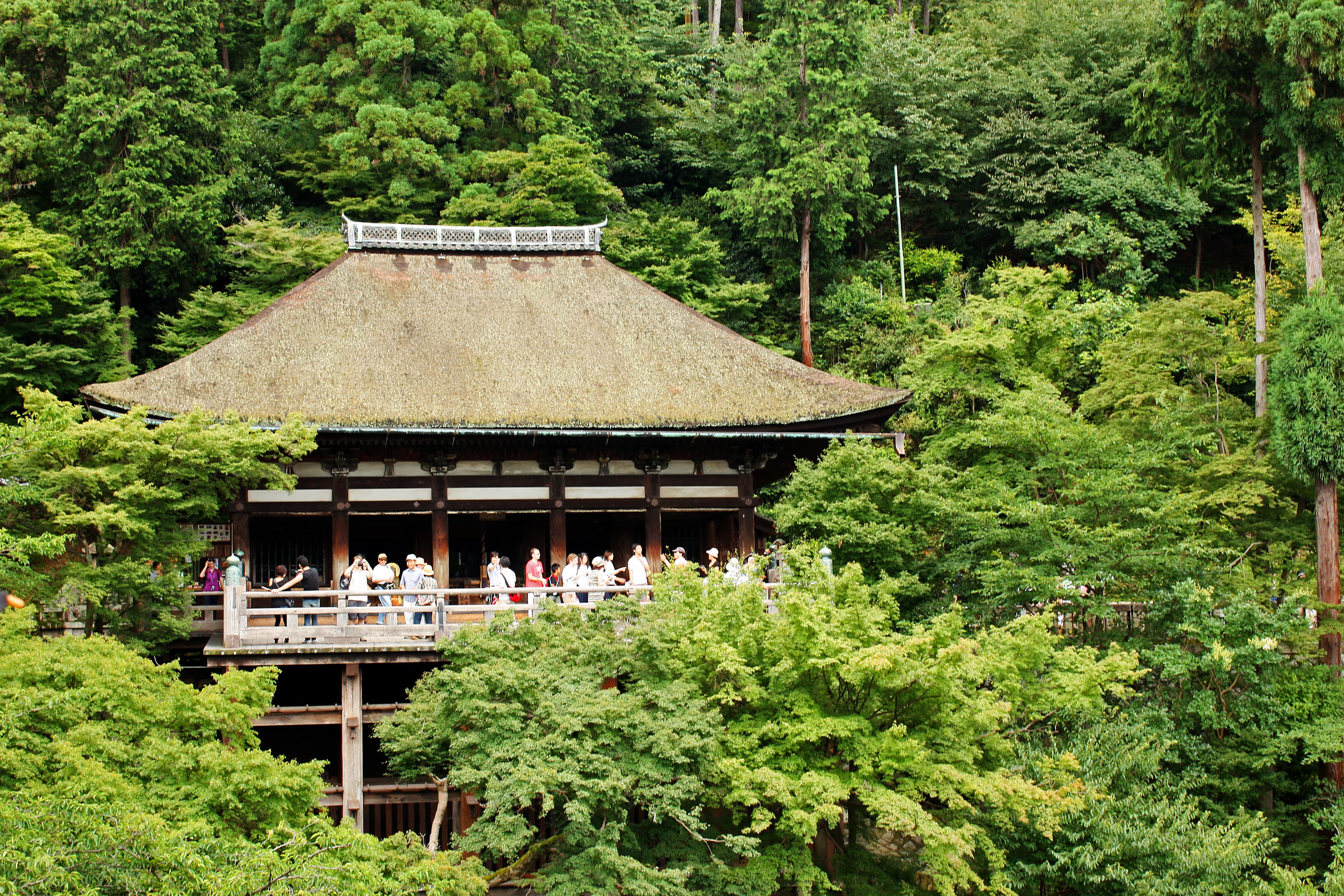
If Kiyomizu-dera is your anchor, visit the temple before continuing through the surrounding streets. Its official 6:00 opening does not mean nearby shops open equally early. Choose a breakfast or meal plan separately, and make the temple plus a meal a satisfactory shortened version in difficult weather.
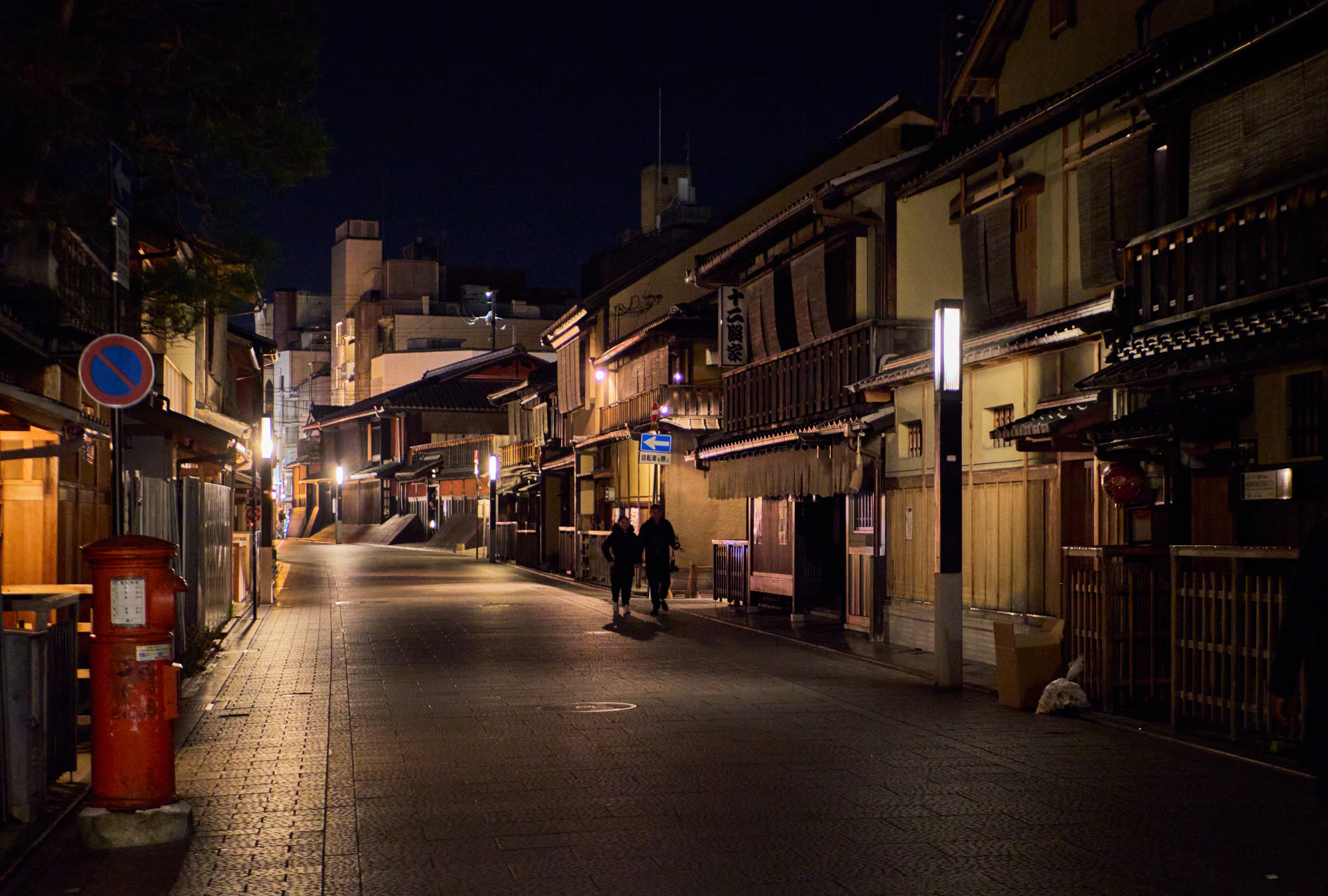
As you continue toward Gion, avoid blocking narrow streets for photographs or entering private property. Booking temple sightseeing, a kimono rental and a tea experience into the same morning creates cascading delays. If an experience matters, remove another stop and include changing or return time—not only the advertised activity duration.
Day two: set an Arashiyama boundary
Arashiyama is more than one station and one bamboo photograph. Depending on your hotel and railway, you may arrive at JR Saga-Arashiyama, Randen Arashiyama or Hankyu Arashiyama. Arrange the riverside, garden and bamboo-path sequence around that actual arrival point to avoid unnecessary backtracking.
Tenryu-ji’s garden, buildings and Cloud Dragon viewing do not all come with one undifferentiated ticket. Choose the visit you want. Rather than adding the monkey park, scenic train and river boat after the bamboo path, select one additional activity and allow for its separate booking, access and physical demands.
Swap a downtown visit rather than piling it on
If palace architecture matters more, replace a long Arashiyama stay with Nijo-jo as the day’s anchor. Honmaru-goten has booking and viewing conditions separate from castle entry. Do not mistake its reserved time for the time to arrive at the outer entrance. The visit includes outdoor walking, so it is not an entirely indoor rainy-day solution.
Approach Nishiki Market through individual shops, not a universal market schedule or menu. Check the business you actually want. Eat purchases where the seller permits and keep the passage clear. Neither a market stop nor another temple is worth rushing the experience you came for.
Finish the plan before leaving the hotel
Put that day’s closing and last-entry times, any meeting point and your return station on one screen. Add a margin to map walking estimates for heat, steps and the slowest traveler. With children or mobility needs, make the shorter route the default and extend it only if energy remains.
Swap the two days for weather only after checking whether reservations allow changes. Avoiding overlapping non-changeable commitments is simpler than repairing them later. You do not need to “complete Kyoto”; aim for one satisfying eastern experience and one western experience with enough time to enjoy both.
Sources & verification
Prepared by Gollaba using the sources below. Planning suggestions are editorial judgments, not claims of a personal visit.
- Kyoto City — Gion and Kiyomizu ↗Source checked:
- Kiyomizu-dera — Opening and approach ↗Source checked:
- Kyoto City — Saga and Arashiyama ↗Source checked:
- Tenryu-ji — Visit ↗Source checked:
- Nijo-jo — Honmaru visit ↗Source checked:
- Nishiki Market — Access and visitor request ↗Source checked:
- Kyoto City — Train and subway ↗Source checked: