Navigate to a real entrance
Getting off at Kiyomizu-Gojo Station or a bus stop near Gojozaka leaves a final walking section. The temple identifies approaches via Nio-mon at the top of Kiyomizu-zaka and the emergency-road entrance above Chawan-zaka, and warns that mapping apps can suggest routes that do not enter the grounds. Do not follow a tiny back lane simply because it looks shorter.
Separate the trip into reaching transport, riding and making the final climb. A taxi does not necessarily deliver you beside the Main Hall. If you need step-free access, consult the temple’s access map and use the route staff advise.
Read the calendar, not one opening-time number
The temple opens at 6:00, but closing depends on season and special-viewing dates. The table records the autumn portion of its official 2026 schedule. Do not transfer another year’s illumination dates or summer closing time into an autumn plan. Night access is not a year-round daily feature.
Kyoto City’s 2026 visitor information lists ordinary adult admission at JPY 500. That is not an all-inclusive price for separate garden openings or experiences. Check the day’s admission scope and payment instructions. An early start is not a promise of empty grounds; plan shops and meals separately from temple opening.
| 2026 dates | Hours |
|---|---|
| Sep 1–Nov 20 | 6:00–18:00 |
| Nov 21–30 | 6:00–21:30 / entry closes 21:00 |
Choose the visit beyond the photograph
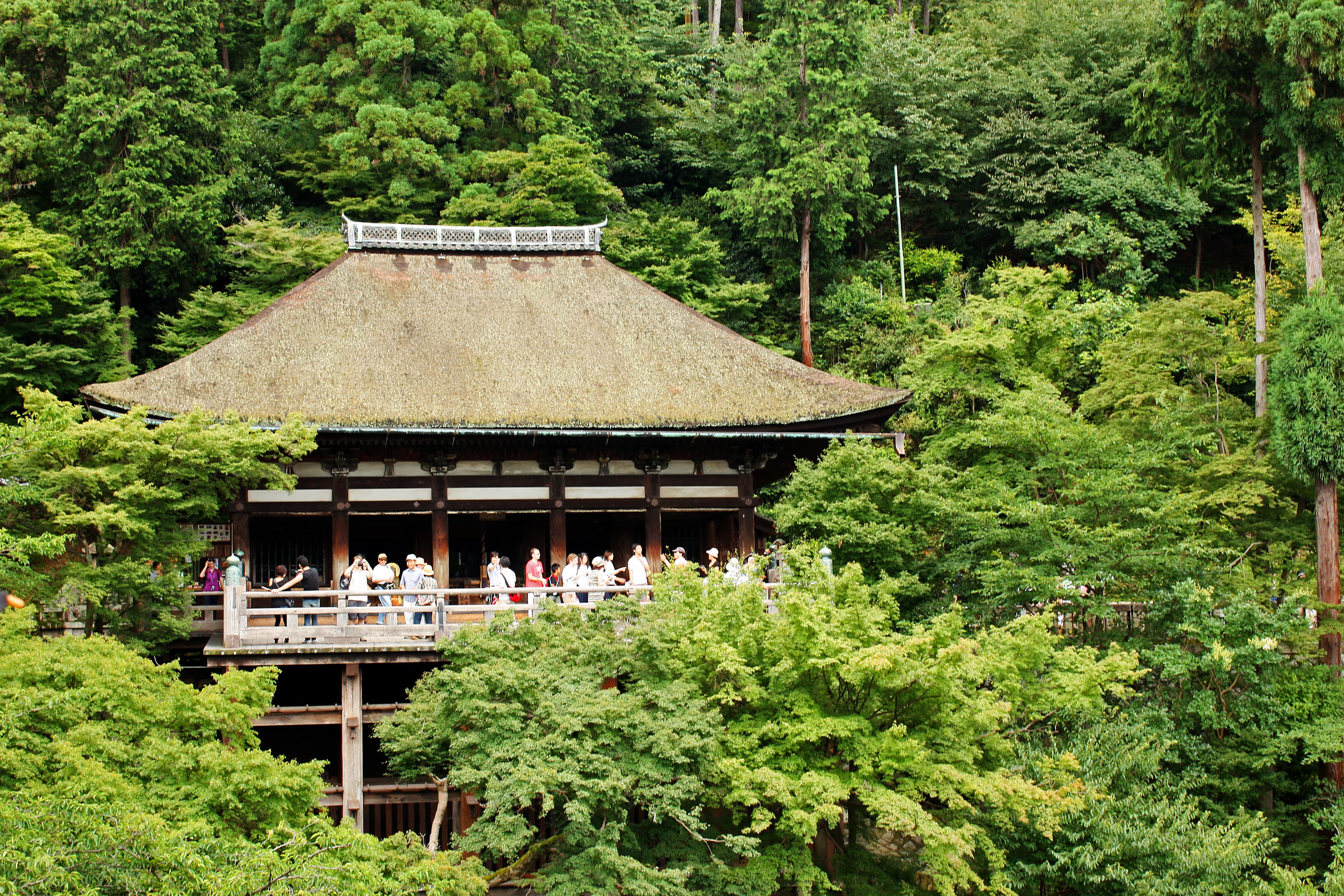
Decide whether you want the Main Hall and stage only, or also the view from the Okunoin side and a circuit toward Otowa Waterfall. These are different points, so match photo captions and map pins to the actual place. The grounds are a setting for Kannon devotion; allow worshippers room even while following the sightseeing route.
An adjacent shrine appearing on a map is not necessarily open. At the check date, Jishu Shrine reported closure for restoration, so it is not a guaranteed stop in this route. Prayers, seal services and special experiences are separate from ordinary entry; investigate only those you intend to use.
Slow down through Sannenzaka and Ninenzaka
Wear shoes that suit you if you plan to descend through Sannenzaka and Ninenzaka. Downhill steps can be demanding too. In rain or heat, prioritize a meal stop and an easier return rather than completing every street on the map.
Do not stop in the middle of the passage while choosing both a shop and a camera angle. Follow individual shop rules for photographs and food, and leave residents’ entrances and vehicle routes clear. Agree on a spacious meeting point if your party separates. A usable half-day is better than a continuous queue of rushed photographs.
Make Gion an optional finish
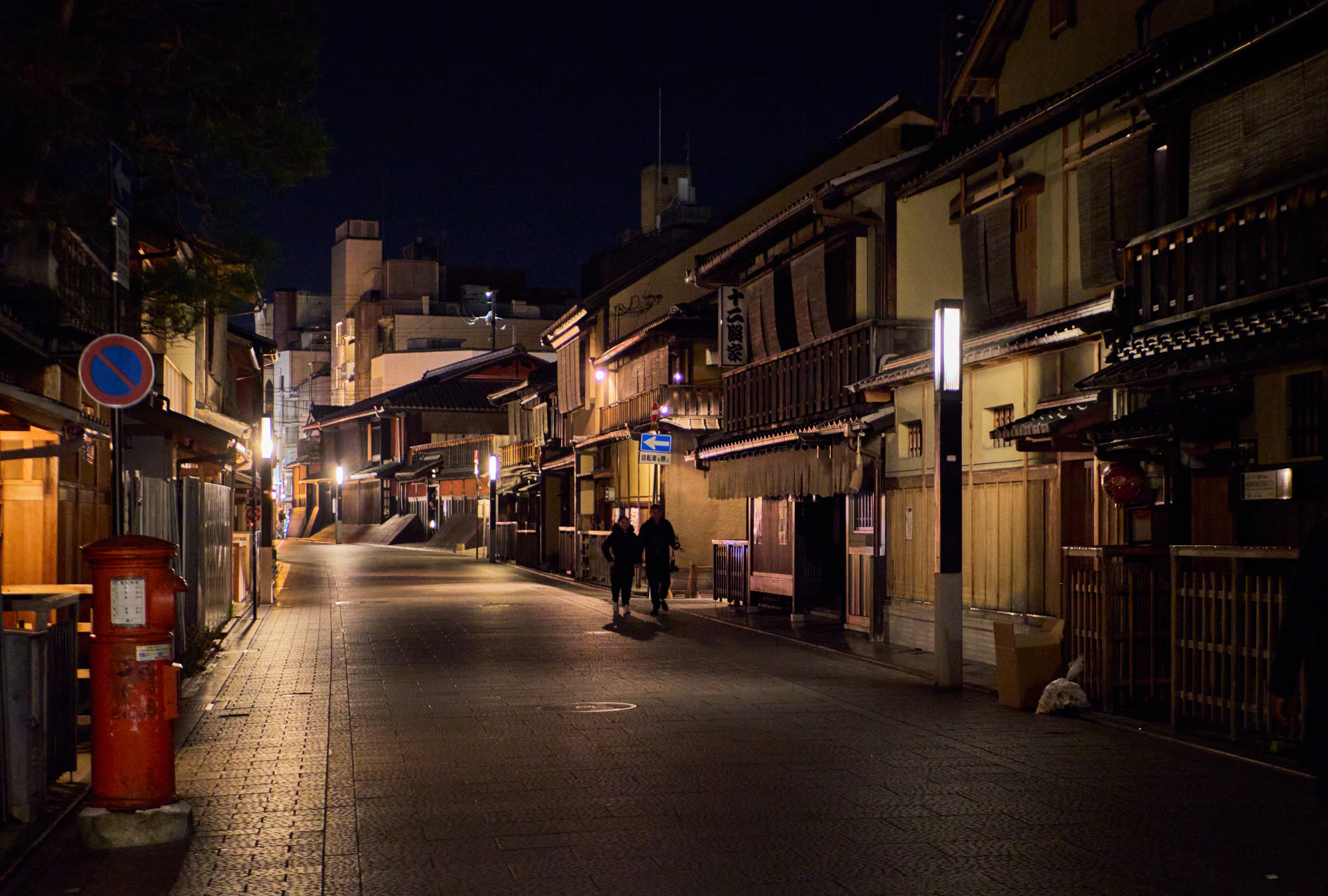
Continue to Gion only if the group still has energy. An encounter with geiko or maiko is not a guaranteed attraction; do not follow them or photograph them without permission. Southern Gion’s roads and lanes are not all pedestrian sightseeing space.
For the return, choose the railway and station that suit your hotel. Do not board a bus simply because it is the first one beside a busy stop; check its direction. Review weather, energy, closing time, food and the route home. Moving Gion to another evening when those conditions do not work is a sensible adjustment, not a failed itinerary.
Sources & verification
Prepared by Gollaba using the sources below. Planning suggestions are editorial judgments, not claims of a personal visit.
- Kiyomizu-dera — Official approach and 2026 hours ↗Source checked:
- Kiyomizu-dera — Temple grounds ↗Source checked:
- Kiyomizu-dera — Visitor FAQ ↗Source checked:
- Kyoto City — Kiyomizu 2026 visitor information ↗Source checked:
- Southern Gionmachi — Visitor manners ↗Source checked:
- Jishu Shrine — Restoration closure ↗Source checked: